Beeswax Wraps Versus Plastic Wrap: A Comparative Guide for Food Storage

Trying to cut down on your plastic use? Try beeswax wraps as a more sustainable alternative to plastic wrap for food storage. Here’s a helpful comparison, plus instructions for making your own DIY wraps!
Article At-A-Glance:
- Beeswax wraps are reusable, biodegradable, and compostable, making them an eco-friendly alternative to plastic wrap.
- Plastic wrap is convenient and airtight but contributes significantly to environmental pollution and can have health risks.
- Beeswax wraps allow food to breathe, which helps keep certain items like bread and cheese fresher for longer.
- Plastic wrap has a higher environmental impact due to its single-use nature and long decomposition time.
- Beeswax wraps have a higher upfront cost but are cost-effective in the long run due to their reusability.
Beeswax Wraps Versus Plastic Wrap: A Comparative Guide for Food Storage
Introduction to Food Storage Options
When it comes to keeping our food fresh, we often reach for plastic wrap without thinking twice. However, there’s a growing movement towards more sustainable options like beeswax wraps. In this guide, we’ll explore the differences between beeswax wraps and plastic wrap, focusing on their environmental impact, usability, and cost.
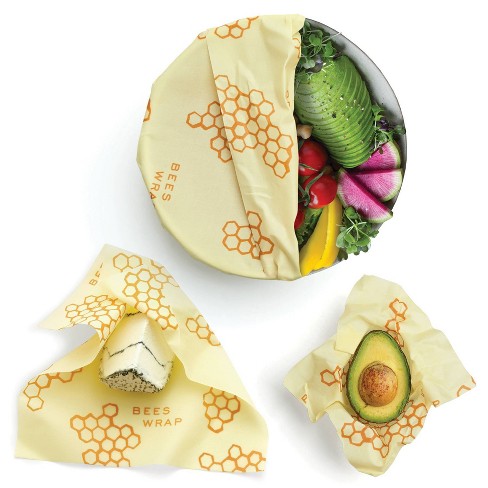
Image from www.target.com.
Quick Overview of Beeswax Wraps
Beeswax wraps are made from organic cotton infused with beeswax, tree resin, and jojoba oil. These natural ingredients make the wraps sticky and flexible, allowing them to mold around various food items and containers.
Here’s a quick look at what makes beeswax wraps special:
- Eco-Friendly: They are reusable, biodegradable, and compostable.
- Breathable: They allow food to breathe, keeping it fresher for longer.
- Natural Ingredients: Made from organic cotton, beeswax, tree resin, and jojoba oil.
Because of these features, beeswax wraps are becoming a popular choice for those looking to reduce their environmental footprint.
Advantages of Using Plastic Wrap
Plastic wrap has been a household staple for decades. It’s popular because it’s convenient and effective at keeping food fresh. Here are some of its key advantages:
- Convenience: Easy to use and widely available.
- Airtight Seal: Provides a tight seal that helps preserve food.
- Cost-Effective: Generally cheaper upfront compared to beeswax wraps.
Despite these advantages, plastic wrap has several drawbacks that are becoming harder to ignore.

Image from www.scienceabc.com.
Issues with Plastic Wrap
Environmental Impact of Single-Use Plastics
Plastic wrap is a single-use product, which means it gets thrown away after one use. This contributes significantly to environmental pollution. Here are some key points to consider:
- Long Decomposition Time: Plastic wrap can take hundreds of years to decompose.
- Pollution: It often ends up in landfills or oceans, harming marine life.
- Resource-Intensive: Producing plastic wrap requires fossil fuels and energy.
Because of these factors, the environmental impact of plastic wrap is substantial.
Health Concerns Related to Plastic Wrap
“Plastic wrap can leach harmful chemicals into food, especially when heated. This raises concerns about potential health risks.” – Environmental Working Group
Plastic wrap often contains chemicals like phthalates and BPA, which can leach into food and pose health risks. These chemicals are linked to various health issues, including hormonal disruptions and increased cancer risk.
Limitations of Plastic Wrap in Food Storage
While plastic wrap is effective, it has its limitations. It creates an airtight seal, which can trap moisture and lead to food spoilage, particularly with items like bread and cheese that need to breathe. Additionally, it’s not reusable, contributing to more waste.
Usage Comparison: Beeswax Wraps vs. Plastic Wrap
When comparing beeswax wraps to plastic wrap, it’s essential to consider how each performs in daily use. Factors like breathability, storage longevity, ease of use, and reusability are crucial for making an informed choice.
Breathability and Freshness
Beeswax wraps excel in breathability. They allow air to circulate, which helps keep food items like bread, cheese, and fruits fresher for longer periods. This breathability prevents moisture build-up, reducing the risk of mold growth. For a deeper understanding, check out this guide to beeswax wraps.
In contrast, plastic wrap creates an airtight seal, which is excellent for preventing leaks but can trap moisture. This can lead to food spoilage, especially for items that need to breathe. For instance, wrapping cheese in plastic can cause it to sweat and spoil faster.
Storage Longevity
Both beeswax wraps and plastic wrap can help extend the life of your food, but in different ways. Beeswax wraps are ideal for foods that benefit from a bit of airflow, like fruits, vegetables, and baked goods. They help maintain the food’s natural moisture balance.
Plastic wrap, on the other hand, is better suited for foods that need to be kept airtight, such as leftovers or pre-prepared meals. The tight seal prevents air from entering, which can help prolong the freshness of certain items.
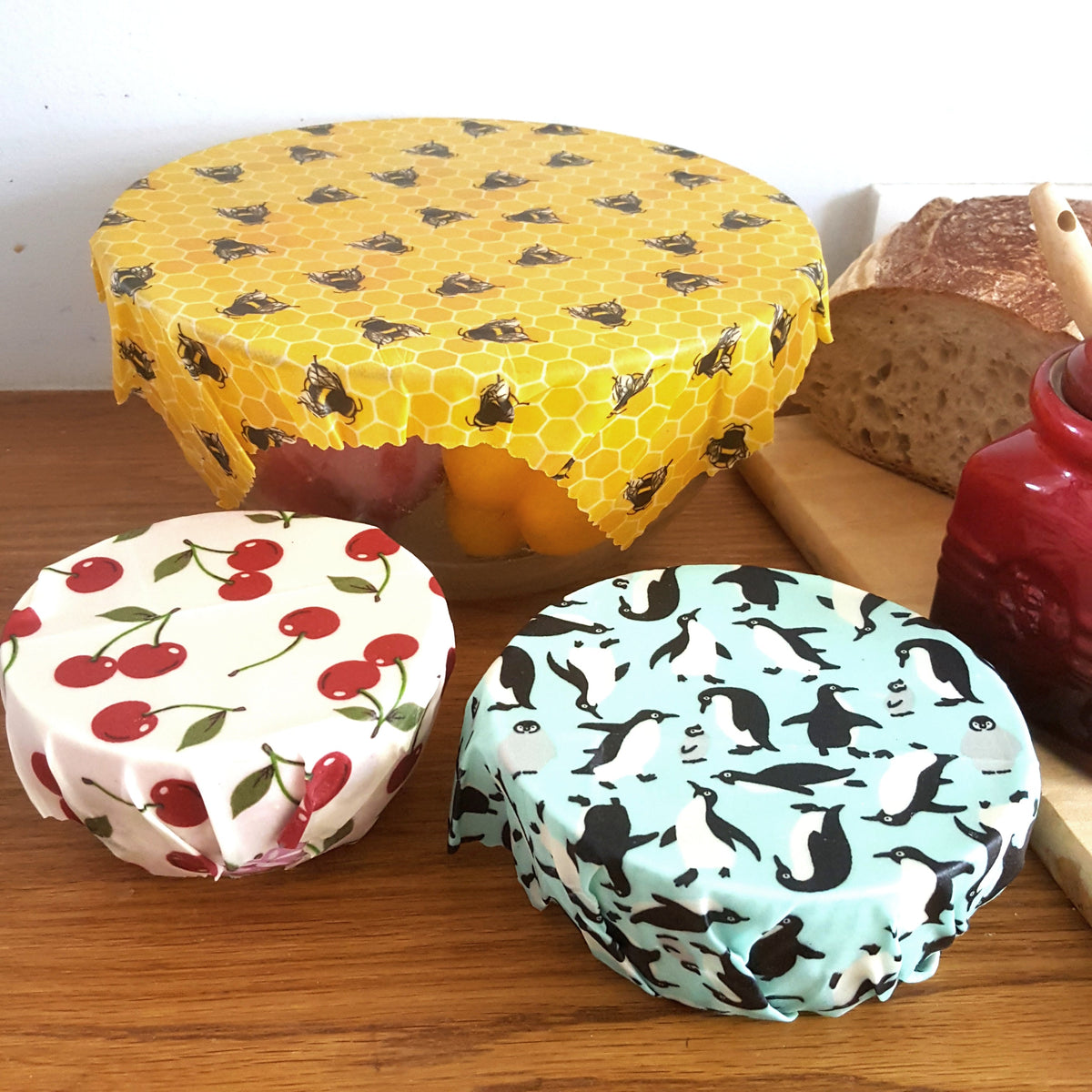
Image from honeybeegood.co.uk.
Ease of Use and Convenience
Plastic wrap is undeniably convenient. It’s easy to tear off and quickly wrap around any food item or container. However, it can be tricky to get a tight seal, and the wrap often sticks to itself, making it frustrating to use.
Beeswax wraps require a bit more effort. You need to use the warmth of your hands to mold the wrap around the food or container. Once it cools, it holds its shape well. While this process might take a bit longer, many find it worth the extra effort for the environmental benefits.
Reusability and Cleaning Process
One of the standout features of beeswax wraps is their reusability. After each use, you can wash them with cool water and mild soap, then let them air dry. With proper care, they can last up to a year or more.
Plastic wrap, however, is single-use. Once you’ve wrapped your food, it goes straight into the trash after use. This not only creates more waste but also means you need to keep buying more, which adds up over time.
Environmental Impact
Considering the environmental impact of both beeswax wraps and plastic wrap is crucial for making a sustainable choice. The production, usage, and disposal of these materials have different effects on our planet.
Waste Generation and Decomposition
Plastic wrap contributes significantly to waste generation. As a single-use product, it often ends up in landfills or, worse, in our oceans. It can take hundreds of years to decompose, posing long-term environmental hazards.
Beeswax wraps, on the other hand, are biodegradable and compostable. When they reach the end of their life, you can cut them into small pieces and add them to your compost pile, where they will break down naturally.
Carbon Footprint
- Plastic Wrap: The production of plastic wrap involves fossil fuels and emits a significant amount of carbon dioxide.
- Beeswax Wraps: While the production of beeswax wraps also has a carbon footprint, it’s generally lower due to the use of natural, renewable materials.
Choosing beeswax wraps over plastic wrap can help reduce your carbon footprint, contributing to a more sustainable lifestyle. For more tips on eco-friendly living, check out this beginner’s guide to an organic lifestyle.
Pollution and Marine Life Threats
Plastic pollution is a severe threat to marine life. Animals can ingest or become entangled in plastic waste, leading to injury or death. The chemicals in plastic can also leach into the water, affecting the entire ecosystem.
Beeswax wraps, being biodegradable, do not pose the same risks. They break down naturally without leaving harmful residues, making them a safer option for our oceans and wildlife.
Cost Comparison
When it comes to cost, both initial investment and long-term expenses are important factors to consider as a responsible consumer. Let’s break down the costs associated with each option.
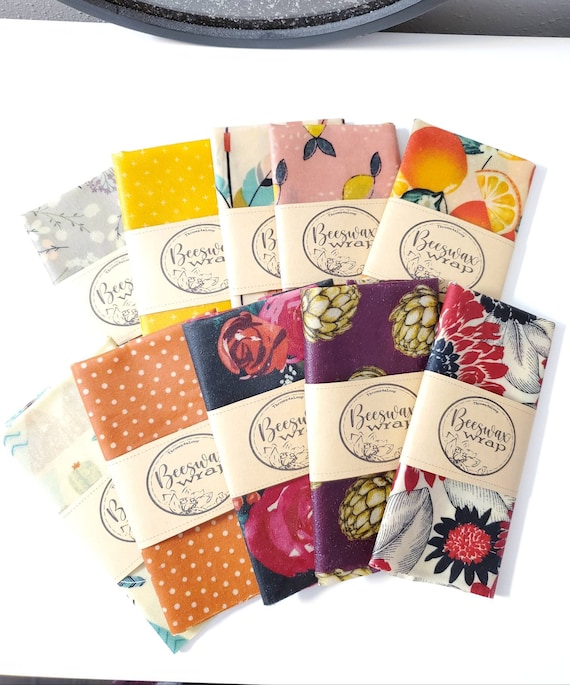
Image from www.etsy.com.
Initial Investment
Beeswax wraps certainly have a higher upfront cost compared to plastic wrap. A set of three to ten wraps can range from around $10 to $25, depending on the brand and size. Plastic wrap, on the other hand, is relatively inexpensive, with a roll typically costing between $2 and $5.
Long-Term Cost Efficiency
While beeswax wraps are more expensive initially, their reusability makes them cost-effective in the long run. You can use the same set of wraps for up to a year or more with proper care, reducing the need for frequent purchases.
On the other hand, plastic wrap, being single-use, requires constant repurchasing. Over time, the cost of continually buying plastic wrap can exceed the initial investment in beeswax wraps.
Availability and Market Price
Plastic wrap is widely available in most grocery stores and supermarkets, making it easy to find and purchase. Beeswax wraps, while growing in popularity, may not be as readily available in all locations. However, they can be easily found online or in specialty eco-friendly stores.
As the demand for sustainable products increases, the availability and variety of beeswax wraps are likely to grow, making them more accessible to a broader audience.
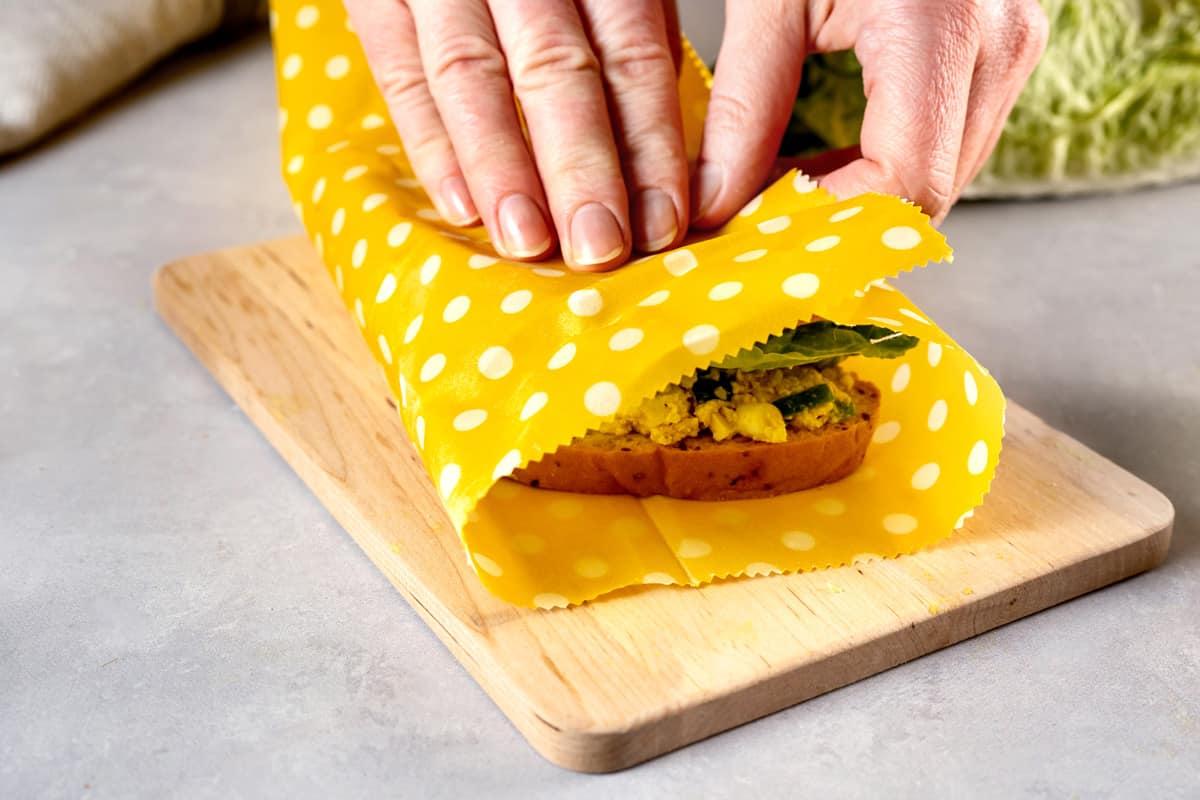
Image from homesteadingfamily.com.
Making Your Own DIY Beeswax Wraps
Making your own beeswax wraps is a simple and cost-effective option as well. All you need is a few simple ingredients and materials:
- Cotton Fabric: Lightweight, 100% cotton, cut into squares or rectangles.
- Beeswax: Natural, pure, and free from additives (in blocks, pellets, or grated).
- Jojoba Oil: Organic, high-quality for flexibility.
- Tree Resin (Optional): Food-grade resin for added stickiness.
- Parchment Paper: To protect your work surface.
- Grater: For grating beeswax (if in bulk).
- Double Boiler: For melting beeswax.
- Brush or Old Cloth: To apply the wax mixture to the fabric.
Instructions:
Step 1. Cut Fabric:
– Cut your cotton fabric into the desired sizes (cloth should be clean and residue-free).
Step 2. Prepare Work Area:
– Cover your work surface with parchment paper.
– Ensure the area is well-ventilated.
Step 3. Melt Beeswax:
– Grate the beeswax if needed.
– Melt the beeswax in a double boiler.
– Stir in an equal part of jojoba oil and ¼ to ½ part tree resin (optional) until smooth.
Step 4. Apply Wax Mixture:
– Place a fabric piece on the parchment paper.
– Use a brush or old, clean, dry cloth to evenly spread the wax mixture over the fabric, covering the entire surface.
Step 5. Remove Excess Wax:
– Lift the fabric and allow any excess wax to drip off.
– Ensure a thin, even coating without oversaturating.
Step 6. Set and Cool:
– Let the wraps cool for a few minutes until the wax hardens.
– Hang or lay them flat during cooling.
Step 7. Test and Adjust:
– Test the wraps by shaping them around various items to make sure they hold their shape.
– Add more wax if needed in thin areas.
Step 8. Store and Use:
– Store your beeswax wraps in a cool place.
– Use them to wrap food, cover containers, or as a plastic wrap alternative.
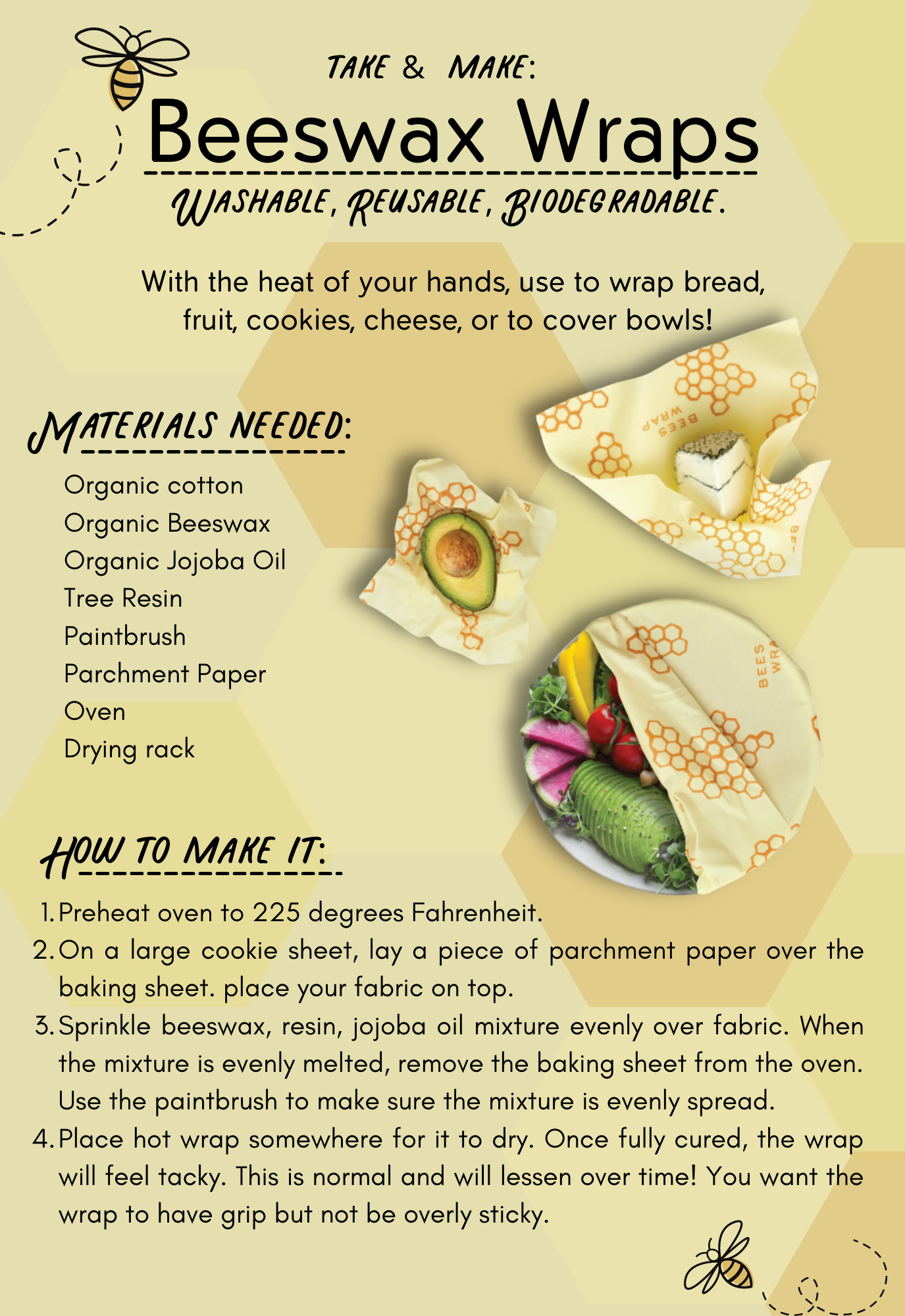
Image from www.dmpl.org.
Conclusion and Final Thoughts
Making Eco-Friendly Choices
Choosing beeswax wraps over plastic wrap is a simple yet impactful way to reduce your environmental footprint. By opting for reusable and biodegradable products, you can contribute to a more sustainable lifestyle and help combat plastic pollution.
Balancing Cost and Benefits
While beeswax wraps have a higher upfront cost, their long-term benefits, both financially and environmentally, make them a worthwhile investment. Their reusability and durability offer significant savings over time, making them a cost-effective alternative to plastic wrap.
Future of Sustainable Food Storage
As awareness of environmental issues continues to grow, more people are seeking sustainable alternatives for everyday products. Beeswax wraps represent a step towards a more eco-friendly future. By embracing such alternatives, we can collectively make a positive impact on our planet!
FAQs About Beeswax Wraps:
How long do beeswax wraps typically last?
With proper care, beeswax wraps can last up to a year or more. Regularly washing them with cool water and mild soap and avoiding heat will help extend their lifespan.
Can beeswax wraps be used for all types of food?
Beeswax wraps are versatile and can be used for most types of food, including fruits, vegetables, cheese, and bread. However, they are not recommended for raw meat or fish as they can be difficult to clean thoroughly and may harbor bacteria. It’s best to use other storage methods for these items.
What is the best way to clean beeswax wraps?
To clean beeswax wraps, simply wash them with cool water and mild soap. Avoid using hot water or harsh scrubbing, as this can damage the beeswax coating. Let them air dry before storing or reusing.
Featured Image from nymag.com.

Related Posts
-
 13 Nifty Ideas for Reusing Food Scraps to Reduce Waste
-
 Easy Zero-Waste Tutorial: How to Make DIY Organic Cotton Produce Bags
-
 4 Easy Ways to Use Less Plastic
-
 Best Eco-Friendly Menstrual Cup Brands Comparison & Review
-
 Revolutionary Biodegradable Hair Wash Formula: Hairstory’s Best Eco-Friendly Shampoo
-
 Don’t Throw It Out! 6 Things to Do With Extra Food Instead of Wasting it
