Creating a Thriving Wildflower Garden: Blue Wild Indigo Spotlight & Care Guide

Blue wild indigo supports the local ecosystem & can be a stunning & low-maintenance addition to your homestead or wildflower garden. Here’s how to grow this hardy & beneficial native plant…
Article-At-A-Glance
- Blue wild indigo (Baptisia australis) – also known as “false indigo” – improves soil naturally by fixing nitrogen, making it beneficial for surrounding plants
- This native perennial thrives for decades with minimal care and exceptional drought tolerance once established
- Spring brings rapid blue-green growth, followed by stunning indigo blooms that attract pollinators from May to June
- Proper spacing is crucial as plants can reach 4-5 feet tall and 3-4 feet wide at maturity
Blue wild indigo transforms gardens with minimal effort while offering maximum reward. This stunning native perennial creates a commanding presence with its upright habit and vibrant blue-purple flower spikes that appear each spring. Few native plants offer such a perfect combination of beauty, resilience, and ecological benefits!
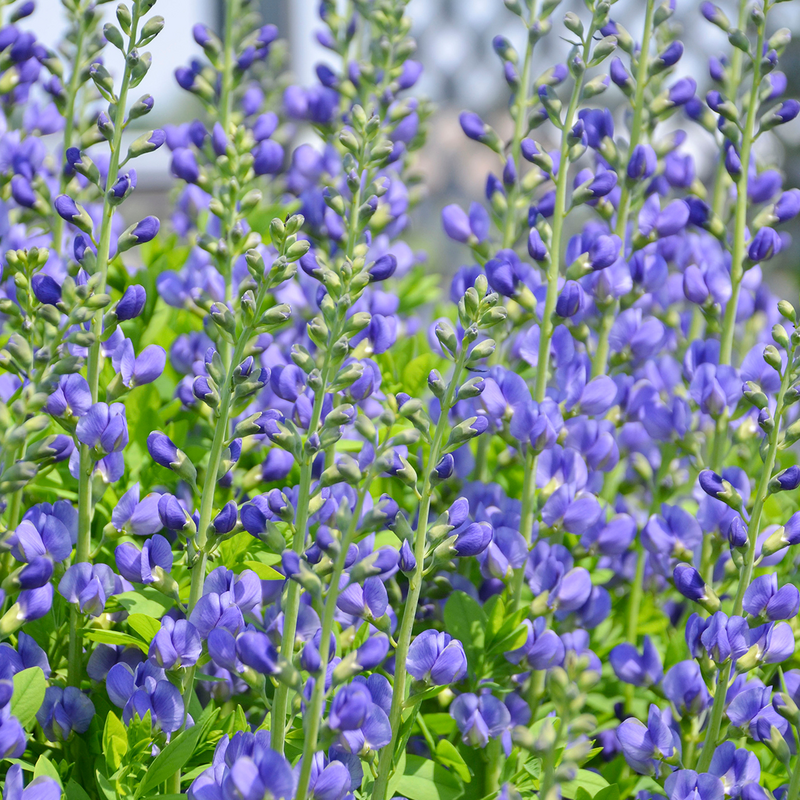
Image from butterflybushes.com.
Also known as false indigo or Baptisia australis, this remarkable plant belongs to the legume family (Fabaceae). Its impressive structure, gorgeous blooms, and long lifespan make it a standout choice for gardeners looking to incorporate more natives into their landscape. Native to the eastern United States, blue wild indigo has evolved to thrive in local conditions, making it significantly easier to grow than many exotic alternatives that demand constant attention.
What You’ll Learn About Blue Wild Indigo
This comprehensive guide explores everything you need to know about cultivating blue wild indigo successfully. You’ll discover why this native perennial deserves prime garden real estate, learn essential growing techniques, and understand how to maximize its beauty across all seasons. We’ll share proven strategies for companion planting, wildlife attraction, and design applications that showcase this versatile native. By the end, you’ll have the confidence to incorporate this exceptional plant into your landscape for decades of enjoyment!
Blue Wild Indigo: A Native Showstopper for Your Garden
Blue wild indigo commands attention with its striking presence and remarkable durability. Each spring, this native perennial emerges with blue-green shoots that rapidly develop into a substantial mound of trifoliate leaves. By late spring or early summer, tall stalks adorned with rows of indigo-blue, pea-like flowers create a breathtaking display that lasts for weeks. The plant’s silvery blue-green foliage provides an attractive backdrop for other garden elements even when not in bloom, while decorative black seed pods offer visual interest well into winter.
Blue Wild Indigo at a Glance
Botanical Name: Baptisia australis
Family: Fabaceae (legume family)
Native Range: Eastern and Central North America
Mature Size: 4-5 feet tall, 3-4 feet wide
Sun Exposure: Full to partial sun
Bloom Time: Late spring to early summer
Deer Resistance: High
What truly sets blue wild indigo apart is its remarkable self-sufficiency once established. Unlike fussy garden plants that demand constant attention, this native thrives with minimal intervention. Its deep taproot system allows it to access water sources far below the surface, making it exceptionally drought-tolerant. This same root system contributes to the plant’s impressive stability and longevity – well-established specimens can live for decades, becoming more impressive with each passing year.
Why Blue Wild Indigo Deserves a Place in Your Garden
Beyond its stunning visual appeal, blue wild indigo offers practical benefits that make it a smart addition to any garden. This native plant requires far less maintenance than many popular garden choices, freeing you to enjoy your outdoor space rather than constantly maintaining it. Once established, it rarely needs supplemental water, tolerates poor soil conditions, and stands up admirably to both heat and cold. Its deer resistance is another significant advantage, especially for gardeners in areas where browsing pressure threatens more vulnerable plants.
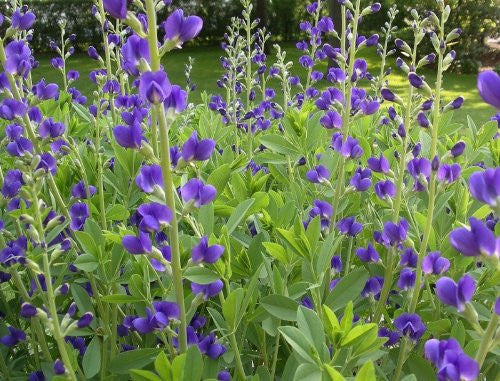
Image from www.northeastpollinator.com.
Natural Soil Improvement Without Extra Work
One of blue wild indigo’s most valuable attributes is its ability to improve the soil around it naturally. As a legume, it forms a symbiotic relationship with soil bacteria that allows it to convert atmospheric nitrogen into a form plants can use. This natural fertilization process enriches the surrounding soil, benefiting neighboring plants without any effort on your part! Over time, this can significantly reduce or eliminate the need for synthetic fertilizers in your garden, creating a more sustainable and eco-friendly landscape.
Drought Tolerance That Saves Water and Time
Blue wild indigo’s extensive root system makes it remarkably drought-resistant once established. This deep taproot reaches far below the surface, accessing water sources unavailable to shallow-rooted plants. This exceptional drought tolerance translates to less watering, lower water bills, and more time enjoying your garden rather than maintaining it. The plant’s ability to thrive with minimal irrigation makes it an excellent choice for water-wise gardens and areas prone to drought.
Summer Glory: Stunning Flower Spikes and Pollinator Activity
In late spring through early summer, blue wild indigo creates a spectacular display as towering spikes of indigo-blue flowers rise above the foliage. These dramatic blooms, resembling lupines but with a more substantial presence, create a mesmerizing sea of blue when planted in groups. The pea-like flowers appear in dense racemes that can reach 12 inches in length, lasting for weeks and serving as excellent cut flowers that will maintain their beauty in arrangements for up to a week. During this peak blooming period, the plant becomes a bustling hub of pollinator activity, with native bees, butterflies, and other beneficial insects gathering to feast on the abundant nectar! For those interested in planting native species, incorporating blue wild indigo can enhance your garden’s ecological value.
Fall and Winter Interest: Decorative Seed Pods
After the flowers fade, blue wild indigo continues to add visual interest to the garden through its distinctive seed pods that develop by midsummer. These inflated, charcoal-black pods create striking silhouettes against the blue-green foliage and add a unique textural element to the garden. The pods persist well into winter, rattling pleasantly in autumn breezes and creating natural interest during the garden’s dormant season. Some gardeners even harvest the dried pods for use in floral arrangements and craft projects, appreciating their unusual shape and lasting durability.

Image from www.izelplants.com.
The plant’s foliage maintains its attractive blue-green color until frost, providing a handsome backdrop for later-blooming perennials. As temperatures drop, the foliage eventually turns a rich black, creating dramatic winter architecture that stands out beautifully against snow! This multi-season appeal makes blue wild indigo a valuable garden asset year-round, unlike many perennials that disappear entirely after their bloom period ends.
Essential Care Tips for Healthy Plants
While blue wild indigo is remarkably self-sufficient, understanding its basic needs will help your plants thrive. The most important consideration is proper placement—giving these substantial perennials enough space to reach their full potential without crowding. Remember that mature plants can reach 4-5 feet tall and 3-4 feet wide, so plan accordingly when placing them in your garden design. Young plants may appear small and unassuming, but patience will reward you with impressive specimens that serve as anchoring elements in your landscape for decades to come. For those interested in sustainable practices, consider planting native switchgrass alongside your blue wild indigo to help with erosion control and enhance your garden’s ecosystem.
Watering Requirements (Less Than You Think!)
During their first growing season, blue wild indigo plants benefit from regular watering to help establish their extensive root system. Deep, thorough watering once or twice a week is preferable to frequent shallow irrigation, as it encourages roots to grow downward in search of moisture. Once established—typically by their second or third year—these plants rarely require supplemental watering except during extreme drought conditions. Their remarkable drought tolerance stems from their deep taproot system, which can access water sources far below the soil surface where most garden plants can’t reach.
Overwatering can actually harm blue wild indigo by promoting root rot and fungal issues. If your garden soil tends to stay soggy or retain excessive moisture, consider planting in slightly elevated areas or amending the soil with coarse sand to improve drainage. These plants evolved in prairie conditions where water could be scarce, and they perform best when their roots aren’t constantly saturated.
Pruning Do’s and Don’ts
Minimal pruning is required for blue wild indigo, making it an easy-care addition to your garden. In early spring, remove any dead stems from the previous season before new growth emerges. This simple cleanup helps maintain the plant’s appearance and promotes healthy new growth. Some gardeners choose to cut the entire plant back to ground level in late fall or early spring, though this isn’t strictly necessary and is largely a matter of aesthetic preference.
If your plants become too tall and begin to flop over during the flowering period, you can provide support with inconspicuous stakes or create a grow-through grid early in the season before the stems reach full height. Alternatively, you might consider pruning the plant back by about one-third in late spring (around Memorial Day) to encourage a more compact growth habit and sturdier stems—a technique known as “Chelsea chopping.” This pruning will delay flowering slightly but results in a more self-supporting plant with a tidier appearance.
Managing the Deep Taproot System
Blue wild indigo develops an extensive taproot that can extend several feet into the soil, contributing to its exceptional drought tolerance and longevity. This substantial root system makes established plants difficult to transplant successfully, so it’s crucial to choose your planting location carefully from the start. The ideal spot will accommodate the plant’s mature size and provide appropriate growing conditions for many years, as attempts to relocate mature specimens often result in plant loss or significant setback.
The deep taproot also means that division, a common propagation method for many perennials, is not practical for blue wild indigo. Instead, the plant is best propagated through seeds or by taking root cuttings in early spring. If you’re working with container-grown nursery plants, be careful not to disturb the developing taproot during transplanting, as damage can significantly slow establishment. Plant your nursery specimens at the same depth they were growing in their containers, in holes twice as wide as the root ball to encourage outward root expansion.
Dealing With Potential Pests and Problems
Blue wild indigo enjoys remarkable resistance to most garden pests and diseases, another factor contributing to its low-maintenance reputation. Deer and rabbits typically avoid the plant due to its mildly toxic foliage, sparing you the frustration of browsing damage common with many garden favorites. The most significant potential issue is powdery mildew, which can develop if air circulation is poor or during particularly humid periods. To minimize this risk, ensure adequate spacing between plants and avoid overhead watering, especially late in the day when foliage remains wet overnight.
Companion Planting Ideas for Blue Wild Indigo
The striking presence and nitrogen-fixing properties of blue wild indigo make it an excellent companion for many other garden plants. Its substantial size and structure work beautifully as a backdrop for shorter perennials and grasses, while its ability to improve soil benefits neighboring plants! When planning companion plantings, consider both aesthetic compatibility and timing—pairing blue wild indigo with plants that will provide interest during its non-blooming periods creates a garden with year-round appeal.

Image from plantaddicts.com.
Some of the most successful companions include prairie dropseed (Sporobolus heterolepis), whose fine-textured foliage creates a beautiful contrast with blue wild indigo’s more substantial presence. Native coneflowers (Echinacea), black-eyed Susans (Rudbeckia), and blazing stars (Liatris) provide colorful summer and fall displays after the indigo’s spring bloom has faded. For spring interest, consider pairing with shorter bulbs like species tulips or native spring ephemerals that will bloom simultaneously but at a different height.
Native Plant Combinations That Wow
Creating planting combinations that echo blue wild indigo’s natural habitat results in harmonious, sustainable garden vignettes. Try pairing it with other eastern North American natives like butterfly weed (Asclepias tuberosa), whose bright orange summer blooms provide spectacular color contrast with the indigo’s blue-green foliage. Add prairie alumroot (Heuchera richardsonii) for attractive ground-level texture and purple prairie clover (Dalea purpurea) for additional summer color and nitrogen-fixing benefits. This combination creates a multilayered planting that provides sequential blooms from spring through fall while requiring minimal maintenance.
Creating Stunning Groupings for Maximum Impact
Blue wild indigo makes its most dramatic statement when planted in bold groupings rather than as isolated specimens. For small gardens, a cluster of three plants creates a substantial focal point without overwhelming the space. In larger landscapes, drifts of five or more create breathtaking sweeps of color during the blooming season and impressive structural elements throughout the year. Consider planting blue wild indigo among grasses like little bluestem (Schizachyrium scoparium) or prairie dropseed to evoke its natural prairie habitat while providing support for the sometimes-floppy stems.
Wildlife Benefits of Blue Wild Indigo
Beyond its ornamental value, blue wild indigo offers significant ecological benefits by supporting native wildlife. The plant serves as a host for several butterfly species, including the wild indigo duskywing and the hoary edge, providing essential habitat for their larvae. The nectar-rich flowers attract a variety of pollinators, from native bees to butterflies, contributing to the biodiversity of your garden ecosystem. Even the seed pods have wildlife value, with some bird species investigating them for insects or seeds.
By incorporating blue wild indigo into your landscape, you’re creating not just a beautiful garden but a functional habitat that supports the local food web! This ecological contribution makes native plants like blue wild indigo increasingly valuable as natural habitats continue to diminish. A garden featuring this native perennial becomes a small but meaningful conservation area, providing resources for wildlife while connecting fragmented natural areas.
Butterflies and Bees That Love These Flowers
The nectar-rich flowers of blue wild indigo attract a diverse array of pollinators, particularly native bees that are specially adapted to access the pea-like blooms. Bumblebees are especially frequent visitors, their substantial size and strength making them perfect partners for forcing open the flowers to reach the nectar reward inside. Long-tongued bee species like mason bees and leafcutters are also common visitors, along with various butterfly species including swallowtails, skippers, and sulfurs that feed on the abundant nectar.

Image from www.clayandlimestone.com.
Beyond providing nectar, blue wild indigo serves as a larval host plant for specialized butterfly species. The wild indigo duskywing butterfly specifically relies on Baptisia species for reproduction, with females laying eggs on the foliage and the resulting caterpillars feeding on the leaves. This specialized relationship demonstrates the irreplaceable ecological role of native plants like blue wild indigo—exotic ornamentals simply cannot substitute for these evolved relationships that support native insect populations.
Birds That Visit for Seeds and Shelter
The architectural structure and seed pods of blue wild indigo attract various bird species throughout the seasons. In summer and fall, goldfinches and other small songbirds can be observed investigating the rattling seed pods, sometimes extracting seeds or hunting for small insects that may inhabit them. The sturdy stems and dense growth provide excellent shelter for ground-dwelling birds like sparrows, particularly during inclement weather.
During winter, the standing stalks and persistent seed pods continue to offer value to wildlife. Chickadees, nuthatches, and titmice frequently explore the dried plant structure for overwintering insects. By leaving the stalks standing through winter rather than cutting them down in fall, you provide valuable habitat during the harshest season when natural cover can be limited. This wildlife support represents another compelling reason to incorporate blue wild indigo into environmentally conscious gardens and homesteads.
Design Inspirations for Blue Wild Indigo
Blue wild indigo’s versatility makes it suitable for various garden styles, from naturalistic prairie-inspired landscapes to more formal settings. Its substantial presence and striking blue-green color create a strong architectural element that can anchor garden compositions or serve as a dramatic focal point. When designing with this native perennial, consider how its seasonal transformations—from spring emergence through summer bloom and into winter’s structural silhouettes—will contribute to your garden and yard’s year-round appeal.
- Mass plantings in prairie-style gardens for dramatic spring color
- Specimen plantings in perennial borders where its structure creates visual anchors
- Naturalized meadow settings with complementary native grasses
- Mixed native plant gardens that support pollinators and other wildlife
- Rain gardens where its deep roots help manage water infiltration
The plant’s relatively neutral blue-green coloration makes it compatible with virtually any color scheme, from cool blues and purples to warm oranges and yellows. Its substantial height and spreading habit allow it to serve as a mid-border anchor in traditional perennial gardens or as a structural element in more naturalistic designs. When considering placement, remember that blue wild indigo performs best with good air circulation, so avoid crowding it even in naturalistic plantings.
While blue wild indigo certainly stands beautifully on its own, its impact multiplies dramatically when thoughtfully integrated into comprehensive garden designs.
Single-Plant Garden Showcases
For maximum impact in smaller spaces, consider creating a dedicated display featuring blue wild indigo as the star. At Pennsylvania’s renowned Chanticleer Garden, a stunning vignette showcases a mass planting of blue wild indigo against a simple backdrop of native grasses. This approach demonstrates how a single species, when used confidently in sufficient numbers, can create a breathtaking seasonal display that requires minimal maintenance yet delivers maximum visual impact. The massed blue flowers create an unforgettable sea of color during the bloom period, while the attractive foliage and seed pods ensure the display remains interesting long after flowering ends.
Meadow and Prairie-Style Plantings
In larger landscapes, blue wild indigo shines as a component of meadow and prairie-inspired designs. Interplant it with complementary natives like butterfly weed (Asclepias tuberosa), purple coneflower (Echinacea purpurea), and various native grasses such as little bluestem (Schizachyrium scoparium) or prairie dropseed (Sporobolus heterolepis) to create a low-maintenance landscape that evokes the plant’s natural habitat. These naturalistic plantings not only reduce maintenance requirements significantly but also provide essential habitat for declining pollinator populations while creating visually dynamic landscapes that change beautifully with the seasons!

Image from www.thespruce.com.
Formal Garden Applications
Despite its wild heritage, blue wild indigo can be effectively incorporated into more formal garden settings. Its strong architectural form and relatively consistent shape make it valuable in structured designs where it can provide height, texture, and seasonal color. In formal perennial borders, position blue wild indigo toward the middle or back of the planting, where its substantial height won’t obscure shorter companions. Consider pairing it with more structured perennials like salvia, catmint, or Russian sage for an elegant composition that maintains visual discipline while incorporating native plant benefits.
Your Blue Wild Indigo Journey Starts Now
Incorporating blue wild indigo into your garden represents more than just adding another pretty plant—it’s embracing a sustainable approach to gardening that honors our natural heritage while creating beautiful, resilient landscapes! From its stunning spring flowers to its soil-improving properties and wildlife support, this remarkable native offers benefits that extend far beyond mere aesthetics.
Frequently Asked Questions
As you consider adding blue wild indigo to your garden, you likely have some specific questions about growing this magnificent native perennial. Below, we’ve addressed the most common inquiries based on years of experience growing Baptisia australis in various settings. These practical insights will help you achieve success with this rewarding plant from the very beginning.
Remember that patience is particularly important when growing blue wild indigo—while it may take a few years to reach its full potential, the long-term rewards far outweigh the initial waiting period. These plants typically live for decades, improving with age and requiring less attention than most garden perennials.
How tall does Blue Wild Indigo grow?
Blue wild indigo typically reaches 4-5 feet in height at maturity, with a spread of 3-4 feet. The plant develops a vase-like shape, with stems that emerge from a central crown and arch outward as they grow. During the flowering period in late spring, the bloom spikes may add another 6-12 inches to the overall height. This substantial size makes blue wild indigo an excellent mid-to-back border plant or focal point in naturalistic plantings.
Plant height can vary somewhat based on growing conditions. In fertile soil with adequate moisture, plants tend to grow taller and may occasionally require staking if stems become too heavy with flowers. In leaner soil or drier conditions, plants may remain somewhat more compact but will generally still reach at least 3 feet in height when mature. The “Chelsea chop” technique (cutting back by one-third in late May) can also help control height while creating a more compact, self-supporting plant.
Is Blue Wild Indigo toxic to pets?
Blue wild indigo contains compounds that are mildly toxic if ingested in large quantities. All parts of the plant contain alkaloids that can cause digestive upset in pets or livestock if consumed in significant amounts. However, the bitter taste typically prevents animals from eating enough to cause serious harm. Most pets naturally avoid the plant, and wildlife like deer and rabbits generally leave it alone, which is one of its advantages as a garden plant.
If you have pets that tend to sample garden plants, it’s wise to observe them around blue wild indigo when first introduced. In general, pet poisoning is extremely rare, as animals typically avoid consuming it due to its unpalatable taste. The plant’s toxicity is actually an evolutionary adaptation that has helped it survive browsing pressure from herbivores.
For households with very young children who might put plants in their mouths, standard garden supervision is recommended, though serious poisoning from casual contact is unlikely. The plant’s toxicity level is considered low to moderate—far less concerning than many common garden plants like foxglove or lily of the valley.
Toxicity Level Comparison
| Plant | Toxicity to Pets | Symptoms if Ingested |
| Blue Wild Indigo | Mild to Moderate | Digestive upset, possible nausea |
| Foxglove | Severe | Cardiac issues, potentially fatal |
| Lily (true lilies) | Severe (cats) | Kidney failure, potentially fatal |
| Daffodil | Moderate | Vomiting, diarrhea, possible tremors |
As you can see, Blue Wild Indigo’s toxicity is relatively low compared to many common garden plants
How long does it take Blue Wild Indigo to bloom from seed?
Blue wild indigo grown from seed typically takes 2-3 years to reach flowering size. The first year, seedlings focus on developing their root system and may grow only a small rosette of leaves aboveground. By the second year, plants usually become more substantial but may produce few or no flowers. By the third growing season, most plants will produce their characteristic flower spikes, though the display will continue to improve as the plants mature further. This gradual development reflects the plant’s long-lived perennial nature—it invests early energy in establishing strong roots that will support decades of growth rather than rushing into flower production.
Can Blue Wild Indigo be grown in containers?
While blue wild indigo can technically be grown in containers, it’s not ideal for long-term container culture due to its deep taproot system and substantial mature size. If you choose to grow it in a container, select a very large, deep pot (at least 24 inches deep and 18 inches in diameter) to accommodate the developing root system. The plant will likely remain somewhat smaller than garden-grown specimens and may require more frequent watering, particularly during hot periods. Eventually, container-grown plants will either need transplanting to the garden or division and repotting as they outgrow their containers.
Container Growing Requirements
Container Size: Minimum 24″ deep, 18″ diameter
Soil: High-quality potting mix with good drainage
Watering: Allow top few inches to dry between waterings
Winter Care: Provide extra root insulation in cold climates
Longevity: Plan to transplant to garden within 3-5 years
A better approach for small spaces might be selecting a more compact Baptisia variety specifically bred for container culture. Several newer cultivars like ‘Lunar Eclipse’ or ‘Indigo Spires’ offer similar benefits in a more manageable size. These plants retain most of the desirable characteristics of the species but work better in space-constrained settings.
If you’re determined to grow the species in a container, consider it a temporary home while you prepare a permanent garden location. The plant will establish more slowly in a container but can be successfully transferred to the garden within the first couple of years, before the taproot becomes too extensive.
Does Blue Wild Indigo spread aggressively?
Blue wild indigo is not an aggressive spreader and won’t take over your garden. Unlike many perennials that expand through underground runners or prolific self-seeding, blue wild indigo forms a slowly expanding clump that remains well-behaved in the landscape. Each plant gradually increases in width over many years but maintains a discrete footprint rather than colonizing surrounding areas. This controlled growth habit makes it compatible with other perennials without the risk of it overwhelming its neighbors.
The plant does produce seeds that occasionally germinate near the parent plant, but self-seeding is typically modest and manageable. Seedlings are easily identified by their distinctive trifoliate leaves and can be transplanted when young or removed if they appear in unwanted locations. If you prefer to prevent any self-seeding, simply remove the decorative seed pods after flowering before they fully mature and open.
This well-mannered growth pattern is actually one of blue wild indigo’s advantages in designed landscapes, as it maintains its intended position and scale without requiring constant management to prevent spreading. The plant’s substantial size at maturity means you should provide adequate space for its eventual width (3-4 feet), but you won’t need to worry about it encroaching aggressively into adjacent plantings.
Featured Image from www.campbellsnursery.com.

Related Posts
-
 Guide to Growing Purple Coneflower: Echinacea Planting Tips & Care
-
 Backyard Pollinator Garden Guide: Native Insect-Friendly Planting Tips & Techniques
-
 Native Plant Garden Design Tips & Seasonal Planting Ideas
-
 Growing Wild Bergamot: A Drought-Tolerant Native Plant With Environmental Benefits
-
 Building a Rain Garden Using Swamp Milkweed: A Step-by-Step Guide
-
 Cultivating Milkweed for Monarch Butterflies: Pollinator Garden Ideas & Tips
