Guide to Growing Purple Coneflower: Echinacea Planting Tips & Care

Attract pollinators, provide a haven for wildlife, & become more self-sufficient by growing purple coneflower on your homestead!
Article At-A-Glance:
- Growing purple coneflower has numerous benefits for your homestead and the local ecosystem.
- Different types of coneflowers can provide visual interest and additional benefits to your garden.
- Plant purple coneflowers in the spring, after the last frost, to ensure healthy growth.
- Leave the seedheads in the garden all winter to feed your local birds and other wildlife.
- Use various parts of the plant for herbal remedies.
Starting Your Purple Coneflower Journey
Embarking on the journey of growing purple coneflower, or Echinacea, is both rewarding and straightforward. These vibrant flowers are not only beautiful but also beneficial to your homestead or garden’s ecosystem! They attract pollinators like bees and butterflies, adding life and movement to your space.

Image from greatbasinseeds.com.
Introduction to Purple Coneflower
Purple coneflowers are a staple in many gardens due to their hardiness and striking appearance. Native to North America, they thrive in a variety of climates and are known for their distinctive spiky centers surrounded by colorful petals. These perennials are part of the daisy family and can grow up to 5 feet tall, making them a standout feature in any garden.
One of the key characteristics of the purple coneflower is its resilience. It can withstand drought and poor soil conditions, making it an ideal choice for beginner gardeners or those looking to add a low-maintenance plant to their collection.
Why Plant Purple Coneflower
Planting purple coneflowers offers several benefits beyond their visual appeal. They are excellent at attracting pollinators, which can help increase the productivity of your vegetable garden. Moreover, the seeds of the coneflowers provide food for birds in the fall and winter, supporting local wildlife throughout the year.
Besides their ecological benefits, purple coneflowers are known for their medicinal properties. Traditionally, Echinacea has been used to boost the immune system and alleviate symptoms of colds and flu. By growing your own, you can have easy access to this natural remedy and become more self-sufficient!
Overview of Echinacea Varieties
While the purple coneflower (Echinacea purpurea) is the most common variety, there are several other types of coneflowers worth considering for your garden.
- Echinacea pallida: Known as the pale purple coneflower, it features lighter pink petals and a more slender appearance.
- Echinacea angustifolia: This variety has narrower leaves and is often used in herbal remedies.
- Echinacea paradoxa: Unique for its yellow flowers, it adds a splash of color and diversity to your garden.
Each variety has its own unique attributes, so consider mixing different types to create a dynamic and visually appealing garden space. For those interested in incorporating more native plants into their landscaping, explore these native plant garden design tips for seasonal planting ideas.
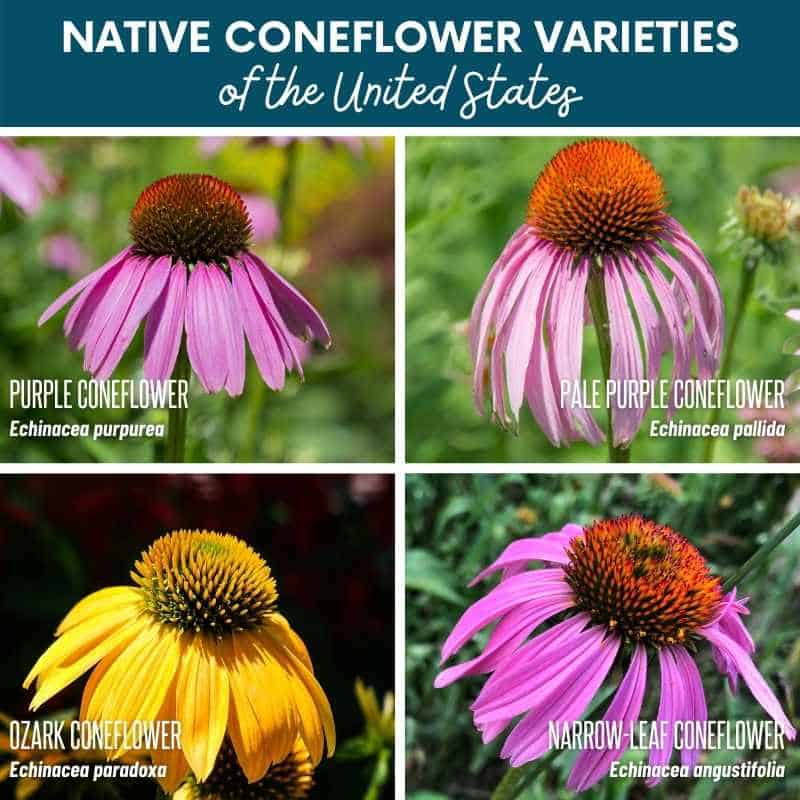
Image from growfully.com.
Steps to Successfully Plant Purple Coneflower
To ensure your purple coneflowers thrive, follow these steps for successful planting and growth. With a little preparation and care, your garden will soon be graced with these vibrant blooms.
Best Time for Planting
The optimal time to plant purple coneflowers is in the spring, once the danger of frost has passed. This timing allows the plants to establish themselves before the heat of summer sets in. If you miss the spring window, early fall is another good option, as it provides cooler temperatures for root development.
When planning your planting schedule, consider the specific climate of your area. In regions with mild winters, you might have more flexibility in planting times. However, in areas with harsh winters, sticking to the spring and early fall guidelines is best.
- Check the last frost date in your area to determine the best planting time.
- Plan to plant your seeds or seedlings when the soil is workable and not too wet.
- If starting from seeds indoors, begin the process 6-8 weeks before the last expected frost.
Choosing the Right Location
Selecting the right location for your purple coneflowers is important for their success. These plants thrive in full sun, so aim for a spot that receives at least 6-8 hours of sunlight daily. While they can tolerate partial shade, full sun will encourage more vigorous blooming.
In addition to sunlight, consider the soil drainage in your chosen location. Purple coneflowers prefer well-drained soil, as they are susceptible to root rot in overly wet conditions. If your garden has heavy clay soil, you may need to amend it to improve drainage. That said, we’ve had great success with growing purple coneflowers in our heavy clay soil, but we have them growing in a raised area. They have spread quite nicely and bloom wonderfully throughout the summer, even during dry conditions!
Soil Preparation Tips
Before planting, take the time to prepare your soil. This step is essential for ensuring your coneflowers have the nutrients and conditions they need to thrive. Start by testing the pH of your soil; purple coneflowers prefer a slightly acidic to neutral pH, around 6.0 to 7.0.
To improve soil quality, mix in organic matter such as compost or well-rotted manure. This will not only enhance drainage but also provide essential nutrients for your plants.
“For best results, aim for a soil texture that is crumbly and easy to work with. This ensures that roots can spread easily and access the nutrients they need.”
Step-by-Step Planting Instructions
Now that you’ve prepared your soil and chosen the perfect location, it’s time to plant your purple coneflowers. Follow these steps for a successful planting process:
- Dig a hole that is twice the width and the same depth as the root ball of your plant.
- Remove the plant from its container and gently loosen the roots if they are compacted.
- Place the plant in the hole, ensuring that the top of the root ball is level with the soil surface.
- Backfill the hole with soil, gently pressing it down to remove air pockets.
- Water the plant thoroughly to help settle the soil and establish roots.
- Space additional plants 12-18 inches apart to allow for growth and air circulation.
With these steps, your purple coneflowers will be well on their way to becoming a stunning addition to your garden!

Image of mixed coneflowers from www.brecks.com.
Caring for Your Purple Coneflower
Once your purple coneflowers are planted, the next step is ensuring they receive the care needed to thrive. Regular maintenance will keep your plants healthy and blooming beautifully. While coneflowers are known for their resilience, they may still need a bit of attention to flourish.
Focusing on proper watering, fertilization, and maintenance will help your purple coneflowers grow strong and vibrant.
Watering Guidelines
Watering is a crucial part of caring for your purple coneflowers. During the first growing season, it’s important to water them regularly to help establish a deep root system. Aim to keep the soil consistently moist but not waterlogged. Once the plants are established, they become more drought-tolerant.
Here are some watering tips to keep in mind:
- Water deeply once a week, allowing the soil to dry slightly between waterings.
- In hotter climates, increase watering frequency during dry spells.
- Use mulch around the base of the plants to help retain moisture and reduce evaporation.
Fertilization Tips
While purple coneflowers aren’t heavy feeders, providing them with the right nutrients will enhance their growth and blooms. A balanced, slow-release organic fertilizer applied in the spring can give them a good start. Additionally, organic options like compost or well-rotted manure can improve soil fertility.
“For the best results, avoid over-fertilizing, as this can lead to lush foliage at the expense of blooms. A light hand is best when it comes to feeding coneflowers.”
Remember to follow the instructions on your chosen fertilizer to avoid over-application, which can harm your plants.
Pruning and Maintenance
Regular pruning and maintenance can help keep your purple coneflowers looking their best. Deadheading, or removing spent flowers, encourages the plant to produce more blooms throughout the growing season. This simple task can significantly enhance the appearance and performance of your plants.

Image from www.yahoo.com.
In late fall, cut back the stems to a few inches above the ground. This helps prepare the plants for winter and promotes healthy growth in the spring. However, coneflower seeds are a great source of food for wildlife during the winter months. If you prefer to leave the seed heads for birds, you can wait until late winter or early spring to cut back the plants.
Maximizing Bloom and Growth
To get the most out of your purple coneflowers, it’s important to understand their growth requirements and address any challenges that may arise. By focusing on sunlight needs, pest management, and disease prevention, you can ensure your plants reach their full potential. For more detailed information on how to plant and care for these beautiful flowers, check out this Coneflower Care Guide.
Understanding Sunlight Needs
Purple coneflowers thrive in full sun, which is essential for maximizing their bloom and growth. Aim for at least 6-8 hours of direct sunlight per day. If your garden is partially shaded, consider planting coneflowers in the sunniest spots available to encourage more robust flowering.
Insufficient sunlight can lead to leggy growth and fewer blooms, so it’s crucial to prioritize sunlight when choosing a planting location.
Dealing with Common Pests
While purple coneflowers are relatively pest-resistant, they can still fall prey to certain insects. Aphids, Japanese beetles, and caterpillars are the most common culprits. Monitoring your plants regularly will help you catch any infestations early.
- Hand-pick larger pests like beetles or caterpillars when you spot them.
- Use insecticidal soap or neem oil to control aphid populations.
- Encourage natural predators like ladybugs and lacewings to keep pest numbers in check.
Preventing Diseases
Disease prevention is an important aspect of caring for purple coneflowers. While these plants are generally hardy, they can be susceptible to fungal infections like powdery mildew and leaf spot, especially in humid conditions.
To minimize disease risk, ensure your plants have good air circulation by spacing them appropriately. Avoid overhead watering, which can promote fungal growth, and remove any affected leaves promptly to prevent the spread of disease.
Realizing the Benefits of Echinacea
Beyond their beauty, purple coneflowers offer numerous benefits that make them a valuable addition to any garden. By attracting pollinators, enhancing your garden’s aesthetic, and providing herbal uses, these plants offer more than just visual appeal.

Image from hoffmannursery.com.
Embrace the full potential of your purple coneflowers by incorporating them into your landscape thoughtfully and enjoying the rewards they bring! For more ideas on how to design your garden with native plants, check out these native plant garden design tips.
Attracting Pollinators
Purple coneflowers are magnets for pollinators, drawing bees, butterflies, and even hummingbirds to your garden. These creatures play a crucial role in the pollination process, ensuring that your garden thrives and produces a bountiful harvest.
By planting purple coneflowers, you’re not only beautifying your garden but also contributing to the local ecosystem! The vibrant blooms act as beacons for pollinators, providing them with nectar and pollen while enhancing the biodiversity of your homestead.
Adding Aesthetic Value to Your Garden
“The sight of purple coneflowers swaying in the breeze can transform any garden into a picturesque haven. Their tall, graceful stems and vibrant petals create a striking visual contrast against the greenery, making them a perfect centerpiece or border plant.”
Whether planted in clusters or mixed with other perennials, purple coneflowers add a dynamic and colorful element to your garden. They pair well with other sun-loving plants such as black-eyed Susans, daylilies, and ornamental grasses, creating a harmonious and visually appealing landscape.
Their long blooming period, typically from mid-summer to fall, ensures that your garden remains lively and colorful for months. Additionally, the seed heads can be left on the plants for winter interest, adding texture and structure to your landscape during the colder months.
Beyond their beauty, purple coneflowers require minimal maintenance once established, making them an ideal choice for gardeners seeking both form and function. For those interested in other methods of supporting pollinators, consider cultivating milkweed for monarch butterflies alongside your coneflowers.
Herbal Uses and Health Benefits
Beyond their ornamental value, purple coneflowers have long been valued for their medicinal properties. Echinacea, derived from these plants, is commonly used to support the immune system and combat colds and flu. Its popularity as a natural remedy has made it a staple in herbal medicine cabinets worldwide.
To harness these benefits, you can harvest the roots, leaves, and flowers of the coneflowers. These parts can be dried and used to make teas, tinctures, or capsules. However, it’s important to consult with a healthcare professional before using Echinacea for medicinal purposes, especially if you have underlying health conditions or are taking other medications.
Frequently Asked Questions
As you embark on your journey of growing purple coneflowers, you may encounter some questions along the way. Here are some answers to help guide you through the process.
How long does it take for Purple Coneflower to bloom?
Purple coneflowers typically bloom in their second year of growth. In the first year, the plant focuses on establishing its root system and foliage. By the second growing season, you can expect vibrant blooms to appear, usually from mid-summer to fall.
Can Purple Coneflower survive through winter?
Yes, purple coneflowers are hardy perennials that can survive winter conditions in most regions. They are typically hardy in USDA zones 3-9. To help them overwinter successfully, consider applying a layer of mulch around the base of the plants to protect the roots from extreme cold.
In colder climates, you may also choose to cut back the plants in late fall to prevent damage from snow and ice. Come spring, the coneflowers will regrow from the root system, ready to bloom again.
What should I do if my coneflower is not flowering?
If your coneflower isn’t flowering, there are a few factors to consider. First, ensure that the plant is receiving adequate sunlight. Lack of sunlight is a common reason for poor blooming. Additionally, check that the soil is well-drained and not overly rich in nitrogen, which can promote foliage growth at the expense of flowers.
Regular deadheading can also encourage more blooms. If the plant is still young, remember that it may take until the second year to see flowers.
How do I propagate Purple Coneflower?
Purple coneflowers can be propagated by seed or division. To propagate by seed, collect seeds from mature flower heads in the fall and sow them directly in the garden or start them indoors in early spring. Keep in mind that coneflower seeds require cold stratification to germinate successfully.
For division, wait until spring or fall to dig up mature plants. Carefully separate the clumps into smaller sections, ensuring each has a healthy root system, and replant them in prepared soil.
Are there any pests that target Purple Coneflower specifically?
While purple coneflowers are generally pest-resistant, they can occasionally attract aphids, Japanese beetles, and various caterpillars. Regularly inspect your plants for signs of infestation and address any issues promptly.
Encouraging natural predators, such as ladybugs, can help keep pest populations in check. Additionally, maintaining good garden hygiene by removing debris and dead plant material after the growing season is over can reduce the likelihood of pest problems.
With the right care and attention, your purple coneflowers will thrive, adding beauty and ecological benefits to your homestead for years to come!
Featured Image from www.topturf.net.

Related Posts
-
 Ethical Seed Collection: Sustainable Guidelines for Harvesting Wildflower Seeds
-
 Growing Wild Bergamot: A Drought-Tolerant Native Plant With Environmental Benefits
-
 Building a Rain Garden Using Swamp Milkweed: A Step-by-Step Guide
-
 Planting Native Switchgrass for Erosion Control
-
 Enhancing Fire Resistance in Your Garden with Native Plants
-
 Goldenrod & Black-Eyed Susans: Growing Native Flowers That Pollinators Love
