Reusable Silicone Bags: Reducing Waste From the Freezer to the Microwave

Reduce plastic waste & improve food safety with reusable silicone bags. Here’s what you need to know before you switch…
Article-At-A-Glance:
- Reusable silicone bags are FDA and LFGB certified food-safe, withstanding temperatures from -40°F to 450°F without leaching harmful chemicals.
- A single silicone bag can replace over 1,500 disposable plastic bags across its lifespan, making it one of the highest-impact swaps in a sustainable kitchen.
- Silicone bags work across freezing, microwaving, and even sous vide cooking — versatility that most sustainable alternatives simply can’t match.
- The break-even point on cost and environmental impact hits around 18 months of regular use — after that, you’re saving money and plastic every single week.
- Not all foods belong in silicone — there are a few surprising exceptions covered further in this article that most people overlook.
Most people don’t realize that one small bag swap can eliminate over a thousand pieces of plastic waste per year — and that’s just the beginning of what silicone bags bring to the table.
The average household burns through hundreds of single-use zip-lock bags annually. They’re convenient, cheap, and gone in seconds — straight into landfills or, worse, oceans. The global plastic crisis isn’t abstract. It’s sitting in your kitchen drawer!
One Small Swap, One Big Impact
Replacing just 10 plastic bags per week with reusable silicone alternatives eliminates more than 1,000 single-use plastics from your household annually. Scale that across an entire neighborhood or city, and the numbers become staggering! The beauty of silicone bags isn’t that they require a lifestyle overhaul — it’s that they slot directly into habits you already have, just without the waste.
A single silicone bag replaces an estimated 1,500+ disposable plastic bags over its usable lifespan. Meanwhile, global plastic waste sits at roughly 300 million tons produced every year, with food storage packaging making up a significant slice of that figure. Choosing silicone is one of the most direct, measurable actions an individual (or family) can take.

Image from www.preferredliving.com.
What Makes Silicone Bags Different From Plastic
Food-grade silicone is derived from silica — a natural compound found in sand and quartz — making it fundamentally different in composition from petroleum-based plastic. Where plastic degrades over time, releasing chemical fragments into food and the environment, silicone remains structurally stable across thousands of uses. It doesn’t crack, warp, or break down under temperature stress the way plastic does.
This stability isn’t accidental. The molecular structure of silicone creates strong silicon-oxygen bonds that resist heat, cold, and chemical reactions. That’s the core reason silicone outperforms plastic in food safety — it’s built at a molecular level to stay inert, even in demanding conditions.
No BPA, No Microplastics, No Leaching
Plastic food containers and bags have a well-documented problem: they leach. BPA (bisphenol A) and phthalates migrate from plastic into food, particularly when heated. A 2023 study published in the Journal of Environmental Health directly linked plastic food containers to endocrine disruption — meaning these chemicals interfere with hormone function in the body. Food-grade silicone contains none of these compounds. There is no BPA, no phthalates, and no microplastic shedding, even after repeated washing and heating cycles.
Safe Across Extreme Temperatures (-40°F to 450°F)
One of silicone’s most practical advantages is its thermal range. These bags go from freezer storage at -40°F all the way to oven-safe use at 450°F without degrading or releasing toxins. Plastic bags, by comparison, begin releasing harmful compounds like dioxins at temperatures as low as 170°F — which means any reheating in a plastic bag is a chemical exposure event. Silicone simply doesn’t have that problem.
FDA and LFGB Food-Grade Certifications
Not all silicone products are equal — and this is where certifications matter. FDA approval (U.S. standard) and LFGB certification (the more rigorous European standard) both confirm that a silicone bag has been tested for chemical migration and deemed safe for direct food contact. When shopping, these two labels are the non-negotiables to look for. Brands like Stasher carry both, and independent lab testing by Consumer Reports in 2024 detected zero toxins in heated Stasher bags — a direct confirmation that certified food-grade silicone performs exactly as promised.
From Freezer to Microwave: How Silicone Bags Actually Perform
Performance is where silicone bags either earn their place in your kitchen or collect dust in a drawer. The good news: they genuinely perform across every major food storage scenario most households encounter. The key is understanding where they shine and the few places where a different container might serve you better.
Freezing Soups, Berries, and Meal Prep Items
Silicone bags are exceptional for freezer use. Their flexibility at sub-zero temperatures means they won’t crack like glass or become brittle like some plastics. Soups and stews freeze flat inside silicone bags, stacking efficiently and thawing faster than bulkier containers. Berries, marinated proteins, pre-portioned smoothie ingredients — all freeze without freezer burn when sealed properly in a quality airtight silicone bag.

Image from www.leevalley.com.
Microwaving and Sous Vide Cooking in Silicone
Reheating food in silicone is safe and effective. Open the seal slightly to vent steam, and the bag handles microwave heat without warping or releasing chemicals. For sous vide cooking specifically, silicone is the superior choice — plastic bags used in sous vide at 170°F or higher produce dioxins, a known toxin. Silicone remains completely stable at sous vide temperatures, making it the smart upgrade for anyone serious about precision cooking without chemical exposure.
Foods That Store Best in Silicone Bags
Silicone bags handle the vast majority of everyday food storage with ease. Here’s where they perform best:
- Fresh and frozen fruits and vegetables
- Marinated meats and seafood
- Soups, stews, and broths (frozen flat)
- Snacks like nuts, crackers, and dried fruit
- Meal-prepped grains and cooked proteins
- Smoothie packs and pre-portioned freezer ingredients
- Sandwiches and wraps for on-the-go meals
Foods to Avoid Storing in Silicone Bags
Silicone’s one notable weakness is that it can absorb odors and oils from strongly scented or fatty foods over time. Garlic, onions, curry, and oily fish can leave lingering smells even after washing. It’s worth keeping a dedicated bag for pungent ingredients or simply opting for glass containers for those specific items. Additionally, very sharp foods — think crab shells or bone-in cuts — can puncture thinner silicone bags, so portion and prep accordingly before sealing.
Design Features Worth Knowing About
The best silicone bags aren’t just safe — they’re genuinely well-engineered. The details in how they’re built directly affect how useful they are day-to-day, and understanding those details helps you choose the right bag for the right job rather than buying something that ends up unused.
Airtight Sealing Mechanisms
The seal is everything when it comes to food storage. Most premium silicone bags use a pinch-lock or zip-style closure that compresses two silicone ridges together, creating an airtight barrier that prevents both air and liquid from escaping. Brands like Stasher use a proprietary “Pinch-Loc” seal that runs the full length of the bag opening — a meaningful design choice that eliminates the weak corners that cause leaks in standard zip-lock bags.
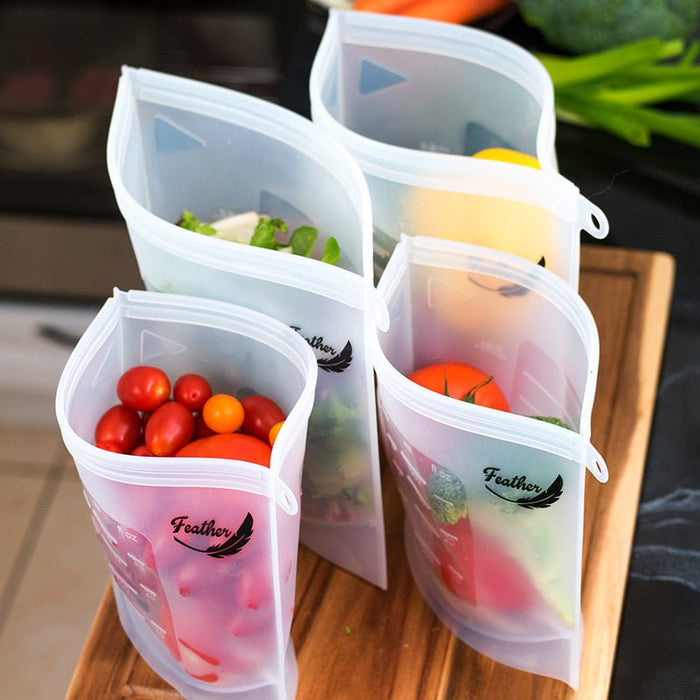
Image from barproducts.com.
Leakproof claims aren’t marketing fluff for quality silicone bags — they’re rigorously tested. Many manufacturers submerge fully sealed, liquid-filled bags for 24 hours to verify zero seepage before products go to market. That level of testing matters when you’re packing soups for a work lunch or freezing marinades that would ruin everything else in your freezer if they leaked!
It’s worth noting that seal quality varies significantly between budget and premium silicone bags. A poorly designed seal on a cheaper bag will fail under pressure — especially in the freezer where silicone contracts slightly. Investing in a bag with a reinforced, full-length seal upfront saves the frustration of replacing inferior products within months.
Size and Shape Options for Every Use
Silicone bags come in a practical range of sizes, typically spanning from compact snack bags at around 4×6 inches up to large stand-up pouches at 7×8 inches or bigger. The stand-up design — available in most mid-to-large sizes — is particularly useful for meal prep, allowing the bag to sit open on a counter while you fill it, then stand upright in the fridge for easy access and visibility.
Having a variety of sizes is the key to actually replacing plastic bags across every use case. Snack-sized bags handle nuts and cut vegetables. Half-gallon bags cover sandwich prep and leftover storage. Gallon-sized options take on full meal portions, batch cooking, and large freezer hauls. A set that covers all three size ranges gives you the flexibility to retire the plastic bag box entirely. For more information, check out this guide on reusable food storage bags.
The Real Cost Savings of Switching to Silicone
The upfront cost of silicone bags — typically $10 to $20 per bag for quality brands — makes some people hesitate. But the math tells a different story. A box of 50 disposable zip-lock bags costs roughly $3 to $8 (depending on brand and size of the bag) and lasts an average household a few weeks at most. A single silicone bag used three times a week replaces that entire box within a month and continues replacing boxes for years. The break-even point on cost lands around 18 months of regular use, after which every week of silicone use is pure savings. Over a five-year lifespan, a set of quality silicone bags can save a household hundreds of dollars compared to continuously purchasing disposables. For those interested in reducing waste further, here’s an easy zero waste tutorial on making DIY organic cotton produce bags.
How Silicone Bags Compare to Other Sustainable Options
Silicone isn’t the only alternative to single-use plastic — glass containers, beeswax wraps, stainless steel tins, and PEVA bags all compete for space in the sustainable kitchen. Each has genuine strengths. But when you stack them side by side across safety, versatility, durability, and convenience, silicone consistently lands in the strongest overall position.
The most useful way to think about silicone versus other options is not which one wins outright, but which one does the most jobs well. Glass is safer for long-term storage of acidic foods but shatters, adds weight, and can’t freeze flat. Beeswax wraps are compostable and beautiful but melt in heat, can’t store liquids, and aren’t suitable for meat. Stainless steel is virtually indestructible but not microwave-safe and comes with no visibility into contents.
Silicone merges the most desirable traits from across the category — the chemical safety of glass, the lightweight flexibility of plastic, the temperature resilience that neither beeswax nor stainless steel can match. It’s not perfect for every single scenario, but it covers more ground than any other single alternative.

- Silicone vs. Glass: Silicone is lighter, flexible, and freezer-safe without risk of shattering
- Silicone vs. Beeswax Wraps: Silicone handles liquids, meat, and heat — beeswax wraps cannot
- Silicone vs. Stainless Steel: Silicone is microwave-safe and transparent for easy content identification
- Silicone vs. PEVA Bags: Silicone is more durable and heat-resistant; PEVA is thinner and more prone to holes
- Silicone vs. Plastic Zip-Lock: Silicone contains no BPA, lasts thousands of uses, and doesn’t leach at high temperatures
Silicone vs. Glass Containers
Glass is an excellent long-term food storage material — non-porous, odor-resistant, and completely inert. Where it falls short is portability and freezer flexibility. Glass containers are heavy, breakable, and can’t be flattened for efficient freezer organization. Silicone fills those gaps directly, offering comparable chemical safety with a fraction of the weight and the ability to lay flat in a crowded freezer drawer.
Silicone vs. Beeswax Wraps
Beeswax wraps are a genuinely sustainable option for wrapping solid foods like cheese, bread, and fruit halves — and they’re fully compostable at end of life, which is a real advantage. However, they’re not suitable for raw meat, liquids, or any application involving heat. Silicone handles all three with ease. For a zero-waste kitchen, the two products actually complement each other well rather than competing directly.
How to Clean and Maintain Silicone Bags
Cleaning silicone bags is straightforward, but doing it consistently and correctly is what determines how long they last and whether odors become a problem. The good news is that most quality silicone bags are dishwasher safe — top rack, open and inverted so water reaches the interior — which makes daily maintenance essentially effortless.
Daily Cleaning Best Practices
For hand washing, turn the bag inside out and scrub with warm soapy water, paying attention to the seal channel where food particles can accumulate. A bottle brush or dedicated bag-cleaning brush makes reaching the interior corners much easier. Allow bags to air dry fully — inverted over a drying rack or bottle drying stand — before storing or reusing. Silicone that’s stored while still damp can develop mildew in the seal area over time, which is the most common maintenance mistake people make.
Removing Odors From Pungent Foods
When garlic, fish, or curry leaves a lingering smell, a targeted deodorizing treatment works reliably. Fill the bag with a mixture of warm water, white vinegar, and a small amount of dish soap, seal it, and let it soak for 30 minutes before rinsing thoroughly. For stubborn odors, leaving the clean bag in direct sunlight for a few hours naturally breaks down odor compounds — UV exposure is a surprisingly effective deodorizer for silicone. Baking soda paste applied to the interior and left to sit for 15 minutes is another proven method that most households already have on hand.

Image from www.stasherbag.com.
How to Make the Switch Without Feeling Overwhelmed
The biggest mistake people make when transitioning to sustainable kitchen products is trying to replace everything at once. Silicone bags are an investment, and buying a complete set on day one before you know which sizes and brands work for your habits is a recipe for buyer’s remorse. The smarter approach is a phased transition — start with one or two bags in the sizes you reach for most, build the habit of washing and reusing them, and expand from there as your plastic bag supply naturally runs out. Within a few months, the switch happens almost automatically.
1. Start With Your Most-Used Bag Size
Think about the plastic bag size you reach for most often — for most households, that’s a standard sandwich or quart-sized bag. Start there. Buy two or three quality silicone bags in that size, use them until the habit of washing and reusing feels completely natural, and resist the urge to overhaul everything at once. One size, mastered, does more for your plastic reduction than a full set sitting unused in a cabinet.
A good starting point for most people is the Stasher Stand-Up Half-Gallon bag or a comparable quart-sized silicone bag from a certified food-grade brand. These sizes cover snacks, sandwiches, marinated proteins, and leftover storage — essentially the bulk of what a zip-lock bag handles day to day. Get comfortable with one format before expanding your collection.
2. Use Meal Prep Days to Build the Habit
Meal prep days are the single best opportunity to integrate silicone bags into your routine. When you’re already portioning out grains, proteins, and vegetables for the week ahead, reaching for a silicone bag instead of a plastic one becomes a direct, frictionless substitution. After two or three meal prep sessions, the swap stops feeling deliberate — it just becomes what you do. Batch cooking and silicone bags are genuinely made for each other: flat-freezing soups, stacking portioned meals, and organizing prepped ingredients by the week is exactly where silicone bags outperform disposable options in both function and sustainability.
3. Buy Strategically to Cover Every Use Case
Once the habit is established with one size, expand deliberately. A practical silicone bag collection covers three tiers: a snack-sized bag (around 4×6 inches) for nuts, cut fruit, and dry snacks; a sandwich or quart-sized bag for everyday food storage and lunch prep; and a half-gallon or gallon stand-up bag for batch cooking, full meal portions, and freezer storage. These three sizes, in multiples of two or three each, give you the coverage to retire the plastic bag box entirely.
Buying a variety set from a single brand often works out more cost-efficient than purchasing individual bags — brands like Stasher offer starter sets that include multiple sizes at a better per-bag price than buying separately. Prioritize brands with both FDA and LFGB certification, full-length airtight seals, and dishwasher-safe construction. Those three criteria alone filter out the lower-quality options that tend to fail within months and end up reinforcing the idea that reusable bags aren’t worth it — when the real issue was the bag, not the concept.
Within six months of a phased transition, most households find they’ve naturally stopped buying disposable zip-lock bags altogether — not through discipline, but because the silicone bags are simply more convenient, more capable, and already there when they need them.
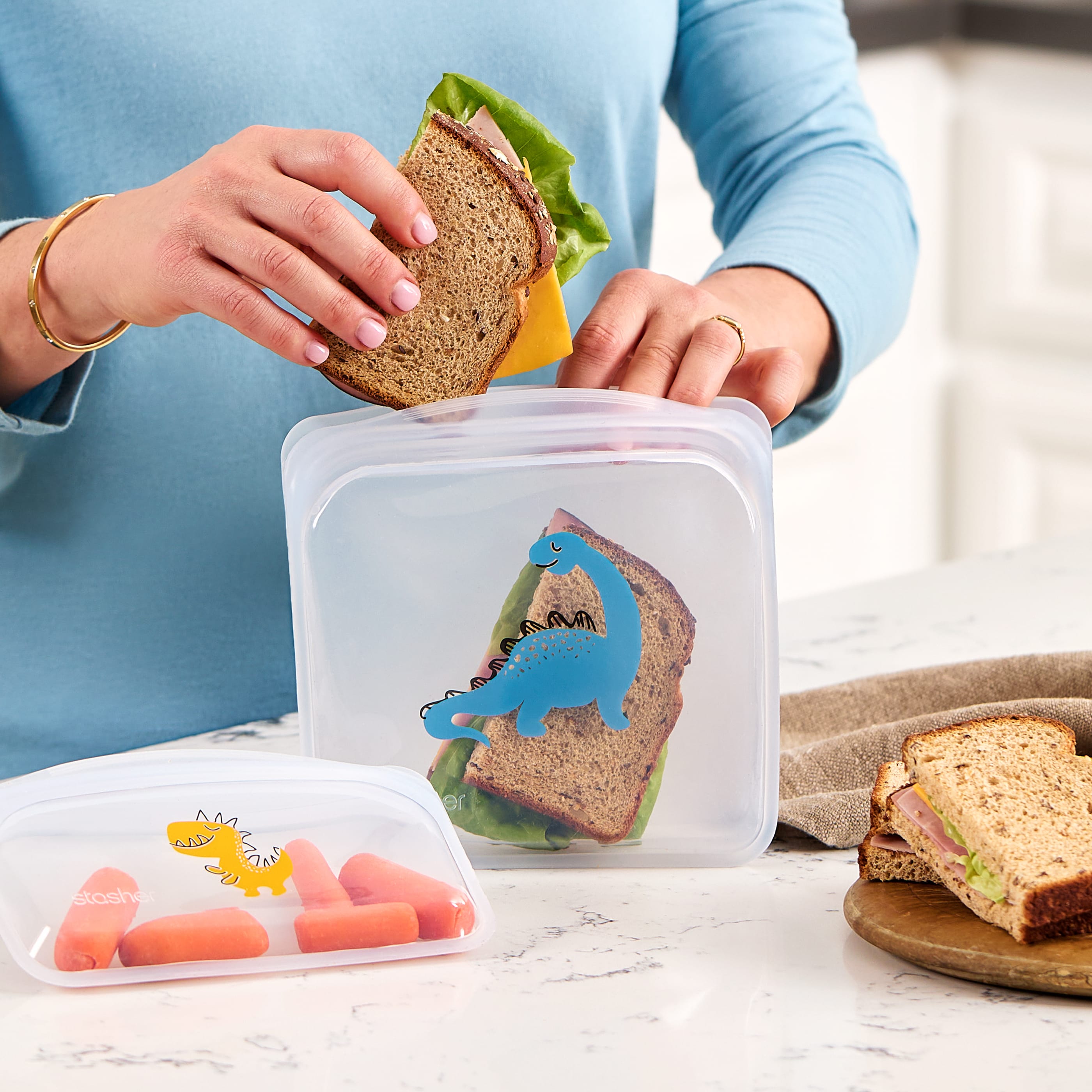
Image from www.stasherbag.com.
Replacing Just 10 Plastic Bags a Week Eliminates 1,000 Per Year
The math here is straightforward and worth sitting with for a moment. Ten plastic bags per week adds up to 520 per year from one household. Push that to just two bags per day — a realistic number for a family managing snacks, lunches, and meal prep — and you’re at over 700 annually. Replace those with silicone, and across the lifespan of your bags, a single household diverts tens of thousands of plastic pieces from landfills and waterways. A household using silicone bags consistently prevents an estimated 30 pounds of plastic waste per year. That’s not a rounding error — that’s a meaningful, measurable environmental contribution made from your kitchen counter!
Frequently Asked Questions
Here are the most common questions people have before making the switch to reusable silicone bags — answered directly and without the marketing fluff.
Are reusable silicone bags safe to use in the microwave?
Yes — food-grade silicone is microwave-safe up to 450°F, well above the operating temperature of any standard microwave. The key step is to open the seal slightly before microwaving to allow steam to vent, which prevents pressure buildup inside the bag. Beyond that, silicone handles microwave heat without warping, melting, or releasing any chemical compounds into your food.
This is a meaningful upgrade from plastic bags, which should never be microwaved. Plastic releases harmful compounds including dioxins when heated, even at relatively low temperatures. Silicone’s molecular stability means it remains completely inert during reheating — the bag stays safe, and so does your food.
How long do silicone food storage bags last?
With proper care, a quality silicone bag lasts for years — most manufacturers cite a lifespan that allows a single bag to replace 1,500 or more disposable plastic bags over its useful life. That figure assumes regular use, consistent washing, and proper storage. The seal is typically the first component to show wear, which is why investing in a bag with a reinforced, full-length closure upfront significantly extends overall lifespan.
Longevity comes down to maintenance habits more than the bag itself. Fully drying silicone bags before storage, avoiding sharp objects inside the bag, and running them through the dishwasher on the top rack (inverted and open) rather than machine drying keeps them in rotation for the long term. A well-maintained silicone bag from a quality brand is genuinely a multi-year kitchen tool, not a seasonal product.
Can silicone bags fully replace plastic zip-lock bags?
For the overwhelming majority of everyday food storage uses — yes, completely. Sandwiches, snacks, marinated proteins, frozen meals, meal prep portions, sous vide cooking, and on-the-go snacks are all handled better by silicone than by disposable plastic. The airtight seal, temperature resilience, and chemical safety make silicone a direct functional replacement across these categories.
The exceptions are narrow and manageable. Very sharp foods like crab shells or bone-in cuts can puncture thinner silicone bags, so those items are better suited to a rigid container. Strongly oily or pungent foods — garlic, raw fish, curry — can leave odors that require extra cleaning effort. For those specific use cases, a glass container remains the better choice. But as a wholesale replacement for the plastic bag box sitting in most kitchen drawers? Silicone covers the job entirely.
Do silicone bags hold odors from strong foods like garlic or curry?
Silicone is slightly more porous than glass, which means it can absorb odors from strongly scented foods like garlic, onion, fish, and spiced dishes over time. The fix is straightforward: a 30-minute soak in a warm water and white vinegar solution, followed by thorough rinsing, removes most odors effectively. For persistent smells, leaving the clean bag in direct sunlight for a few hours uses UV exposure to naturally neutralize odor compounds — a method that works reliably without any additional products. Keeping a dedicated bag for strongly scented ingredients is also a practical long-term solution.
Are silicone bags safe for sous vide cooking?
Yes — and they’re actually the safest option for sous vide cooking available! The concern with sous vide has always been that cooking proteins at low, sustained temperatures (typically 130°F to 185°F) in plastic bags causes those bags to leach dioxins and other harmful compounds directly into the food being cooked. Silicone is completely stable across the entire sous vide temperature range, with no chemical migration occurring even during extended cooking sessions.
Food-grade silicone certified to FDA and LFGB standards has been specifically tested for chemical migration under heat — and the result is zero detectable toxins, even at sustained elevated temperatures. The Consumer Reports 2024 independent lab testing of Stasher bags found no detectable toxins after heat exposure, providing direct third-party confirmation of what the certifications promise.
From a practical standpoint, silicone bags also perform well mechanically in sous vide setups. They’re flexible enough to conform around proteins for even heat distribution, and they seal tightly enough to prevent water infiltration during cooking. The one consideration is ensuring that the bag is fully submerged and that any trapped air is removed before sealing — a water displacement method works well for this with silicone bags, since they’re flexible enough to conform to the shape of the food as air is pressed out.
Reusable silicone bags have become an essential tool in many kitchens, offering a sustainable alternative to single-use plastic bags. These bags are versatile, as they can be used for storing food in the freezer, reheating in the microwave, and even for sous-vide cooking. By choosing reusable options, households can significantly reduce their plastic waste, contributing to a healthier planet!
Featured Image via www.purifyou.com.

Related Posts
-
 5 Simple & Smart Ways to Reduce Food Waste In 2019
-
 [Infographic] How to Achieve a Zero-Waste Home
-
 4 Reasons Why You Should Just Say “NO” to Styrofoam
-
 5 Best Stainless Steel Water Bottles for Sustainable Travel
-
 Reduce Waste with HiBAR Solid Conditioner Bars: The Benefits of Waterless Hair Care Products
-
 5 Disposable Products to Stop Using in 2021
