Sustainable Spotlight: Davines Eco-Friendly Hair Care for Healthy Hair & A Healthy Planet

Learn how Davines eco-friendly hair care can make a difference for your hair & the planet…
With a renewed focus on the environment, sustainability is currently a buzzy word in the beauty industry. In a world where we are constantly exposed to harmful chemicals, it’s no wonder that the clean beauty movement is gaining traction. Davines is a well-known brand in the hair care world, recognized for its focus on clean beauty and eco-friendly practices.
Article At-A-Glance:
- Davines has powered its operations with 100% renewable electric energy since 2006, sourced from sun, water, wind, and soil.
- The brand’s Zero Impact® policy makes packaging for several product lines carbon neutral, offset through forest protection projects in four countries.
- Davines avoids sulfates, parabens, silicones, and synthetic fragrances in favor of naturally-derived and biodegradable ingredients.
- Salons in Italy, Norway, Spain, and Portugal now participate in the Zero Environmental Impact campaign to offset their daily carbon footprint.
- Curious how a haircare brand can balance performance with planet-first values? Keep reading to see exactly how Davines pulls it off.
Your shampoo bottle could be quietly harming the planet, but Davines set out to change that story more than two decades ago. Walk into any salon that carries Davines and you’ll notice something different about the shelves. The bottles feel purposeful, the ingredient lists read like a garden rather than a chemistry set, and the brand story behind every product centers on one simple idea: beauty shouldn’t cost the earth.
For readers researching eco-friendly haircare options, Davines offers a rare combination of rigorous sustainability practices and salon-quality results that actually hold up under scrutiny.
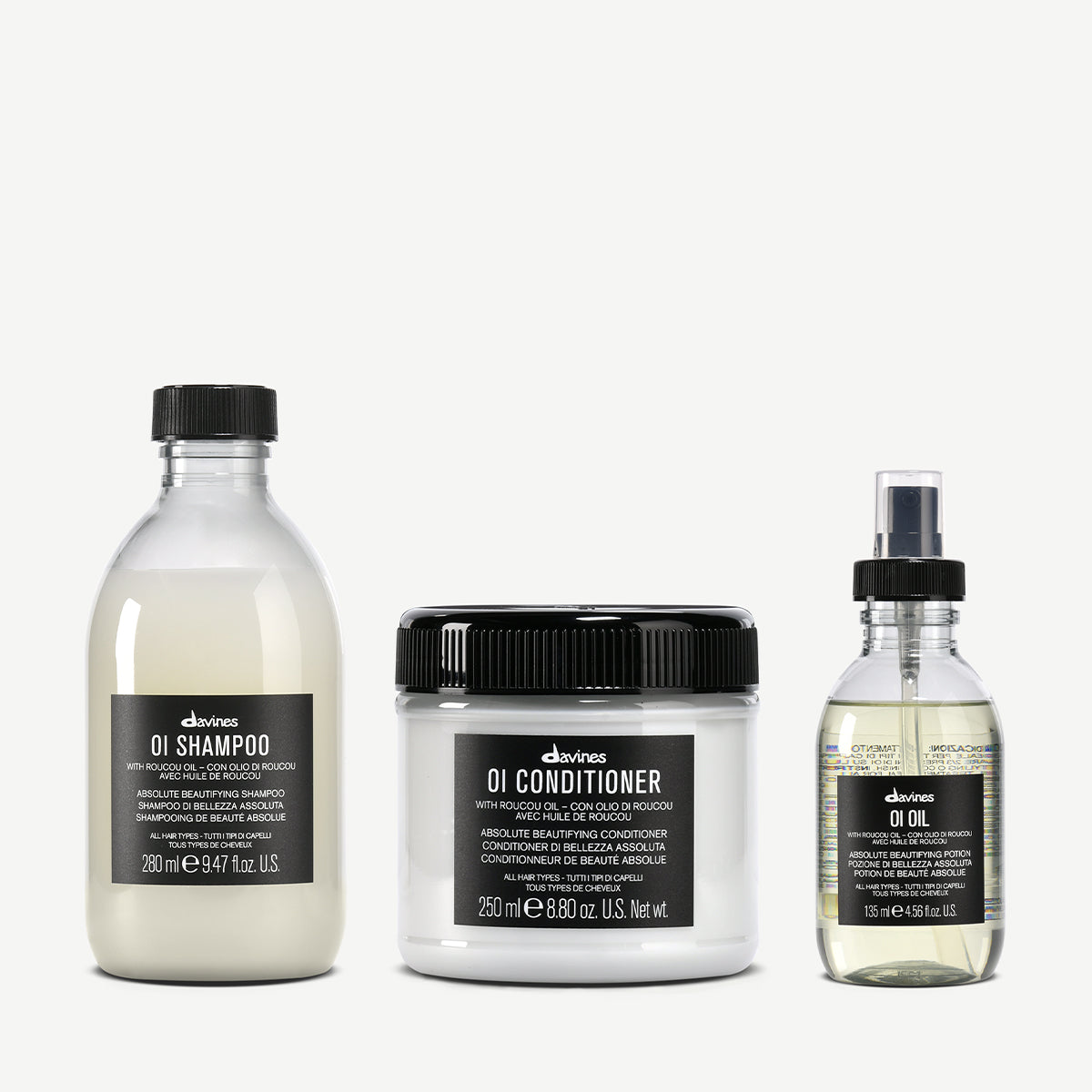
Image from us.davines.com.
What Makes Davines Different From Other Haircare Brands
Plenty of brands slap a leaf on their packaging and call it a day. Davines built its entire identity around a phrase that shows up in nearly everything the company does: Beauty + Sustainability. That’s not marketing copy, it’s a mission statement that has directed product formulation, salon partnerships, and corporate policy since the idea took root more than 20 years ago.
What separates Davines from competitors chasing the same green halo is consistency. The commitment shows up in how the company sources plants, how it manufactures packaging, and even how it educates the stylists who use its products every day. Sustainability isn’t a side project here, it’s baked into the operational DNA.
This matters because haircare, as an industry, generates enormous amounts of plastic waste and relies heavily on synthetic chemicals that don’t break down easily. Davines positioned itself early as an alternative to that model, and the brand has spent decades refining what a genuinely responsible haircare company looks like in practice.
An Italian Beauty Brand Built on 40+ Years of Sustainability
Davines started in Parma, Italy back in 1983, and its roots in Italian craftsmanship still show in how the company approaches product development. Rather than mass-producing formulas designed for shelf life and profit margins, Davines built a reputation on quality ingredients and thoughtful design.
Over four decades, that Italian heritage evolved into something bigger than a regional beauty brand. Davines now sells internationally while still operating with the intimacy and care of a family business, a balance that’s tough to maintain once a company scales globally.
The Beauty + Sustainability Philosophy Explained
Ask Davines what drives its decisions and you’ll hear the same phrase repeated: Beauty + Sustainability. This philosophy shapes everything from which ingredients make it into a formula to how packaging gets designed and shipped.
It’s a simple framework, but it forces hard choices. Every new product has to answer two questions before it launches: does it perform, and does it align with the company’s environmental commitments? That dual filter has kept Davines’ sustainability claims grounded in actual practice rather than vague promises.
How Davines Powers Its Operations With Renewable Energy
Manufacturing haircare products at scale takes serious energy, and most companies default to whatever power source is cheapest or most convenient. Davines took a different route, one that required upfront investment but paid off in long-term environmental impact reduction.
The company’s plants and offices run entirely on renewable electricity, a decision that puts Davines ahead of most beauty brands still relying on fossil fuel-based power grids.
Sun, Water, Wind, and Soil: Clean Energy Since 2006
Since 2006, Davines has sourced its electricity from natural, renewable sources including sun, water, wind, and soil. That’s nearly two decades of clean energy powering everything from ingredient processing to bottling lines.
This timeline matters because it shows Davines wasn’t reacting to recent consumer demand for sustainability. The company made this switch years before “eco-friendly” became a marketing buzzword, which suggests the commitment runs deeper than a response to trend cycles.
Why This Matters as Global Energy Demand Rises 40%
Energy consumption across manufacturing industries continues climbing as global demand increases, and beauty companies are no exception. Every bottle of shampoo requires energy to produce, package, and ship, which means a company’s power source directly affects its carbon footprint at scale.
By locking in renewable energy sources nearly 20 years ago, Davines insulated itself from some of the environmental costs that come with rising energy demand. It’s a proactive stance that fewer companies in the beauty space have taken, and it sets a benchmark for what responsible manufacturing can look like.
The Zero Impact® Promise on Your Favorite Product Lines
Renewable energy is one piece of the puzzle, but Davines didn’t stop there. The company also tackled packaging, one of the biggest sources of waste in the entire beauty industry, through a program called Zero Impact®.
This policy applies to some of Davines’ most popular product lines, meaning the packaging you’re holding when you use these products has already been accounted for in terms of carbon output.

Image from www.feelyourlook.com.
Carbon-Neutral Packaging for Essential Haircare, SU, OI, and More Inside
Four major Davines product lines fall under the Zero Impact® umbrella: Essential Haircare, SU, OI, and More Inside. For these lines, the production of packaging is carbon neutral, meaning the emissions generated during manufacturing are balanced out through other environmental initiatives.
Davines built this policy around three core goals for packaging design. The company aims to use as little raw material as possible, prioritize recyclable or bio-based materials, and optimize logistics to reduce waste during shipping and distribution.
Forest Protection Projects in Italy, Costa Rica, Ethiopia, and Madagascar
Carbon neutrality doesn’t happen by accident, it requires active offsetting. Davines contributes to the creation and protection of forests in four countries: Italy, Costa Rica, Ethiopia, and Madagascar.
These forest projects work by absorbing carbon dioxide that would otherwise contribute to the emissions generated during packaging production, effectively balancing out the environmental cost of manufacturing.
This isn’t a one-time donation or a symbolic gesture. Ongoing forest protection requires continuous investment and monitoring, which signals that Davines treats its Zero Impact® claims as an operational commitment rather than a marketing checkbox.
Zero Environmental Impact: A Movement for Salons Worldwide
Davines didn’t limit its sustainability push to its own factories. The company extended the same philosophy to the salons that use its products daily, creating a program designed to help stylists reduce their own environmental footprint.
This campaign, called Zero Environmental Impact, gives salon owners a concrete way to participate in the same values Davines built its business around.
How Stylists Offset Daily Emissions
Running a salon generates its own carbon footprint, from electricity used for styling tools to water consumption during washes. Davines’ Zero Environmental Impact campaign encourages stylists to offset emissions generated by their daily work activities, creating what the program calls “zero-impact salons.”
Participating salons essentially become extensions of Davines’ broader mission, turning individual styling chairs into small but meaningful contributions to environmental protection.
From Italy to Norway, Spain, and Portugal
The program started in Italy, which makes sense given the country is home to Davines’ headquarters. But the initiative didn’t stay confined to one region. It has since expanded to Norway, Spain, and Portugal, giving salons across multiple European countries the tools to reduce their environmental impact.
This geographic expansion suggests real demand from stylists who want their businesses to reflect the same values as the products they use. It also shows Davines investing in infrastructure to support that demand rather than just selling products and walking away.
Where Davines Sources Its Natural Ingredients
Sustainability doesn’t stop at energy and packaging, it extends all the way back to where ingredients originate. Davines takes a hands-on approach to sourcing, prioritizing small-scale, ethical partnerships over mass-produced commodity ingredients.
Image from www.libertylondon.com.
Partnering With Slow Food Presidia and Small Family Farms
Davines works with an organization called Slow Food Presidia to source ingredients directly from small family farms across Italy. These aren’t massive industrial operations, they’re family-run farms that Davines partners with to feature specific, traceable ingredients in its formulas.
This approach supports local agricultural communities while giving Davines closer oversight over ingredient quality and farming practices. It’s a slower, more deliberate sourcing model than what most mass-market haircare brands use, but it fits the company’s broader commitment to doing things right rather than fast.
The Strict Standard for “Naturally-Derived” Ingredients
Not every brand that claims to use “natural” ingredients holds itself to a clear standard, but Davines does. To qualify as naturally-derived under Davines’ internal guidelines, 100% of a given molecule must originate from a plant, a non-petroleum mineral, water, or another natural source, and it must be obtained through what the company calls a “clean” chemical reaction.
That’s a stricter bar than industry norms typically require. Many products marketed as “natural” contain ingredients that are only partially plant-derived or processed using methods that introduce synthetic byproducts. Davines’ standard closes that loophole, giving customers more confidence that the ingredient list matches the marketing claims.
Biodegradable Formulas That Don’t Harm the Earth
Beyond sourcing, Davines pays close attention to what happens after a product goes down the drain. Many formulas are built with biodegradable ingredients, meaning they break down naturally in the environment rather than lingering in waterways or soil for years.
This detail often gets overlooked by shoppers focused only on what’s listed on the front label, but it matters just as much as what goes into a bottle. A shampoo can be free of harsh chemicals and still contribute to environmental buildup if its ingredients don’t break down properly once they’re rinsed away.
Ingredient Spotlight: Nature’s Best for Your Hair
Davines doesn’t just avoid harmful ingredients, it actively seeks out plant-based alternatives that deliver real performance benefits. Several standout ingredients show up across the brand’s most popular product lines, each chosen for a specific function rather than just added for marketing appeal.
These botanical extracts and oils reflect the same sourcing philosophy that guides Davines’ broader sustainability practices: ingredients should work as hard as they claim to, and they should come from sources that don’t compromise the planet in the process.
Roucou Oil From the Annatto Plant in OI All-in-One Milk
The OI All-in-One Milk features roucou oil, extracted from the Annatto plant. This oil helps protect hair against heat damage and free radicals, making it a functional ingredient rather than just a feel-good botanical addition.
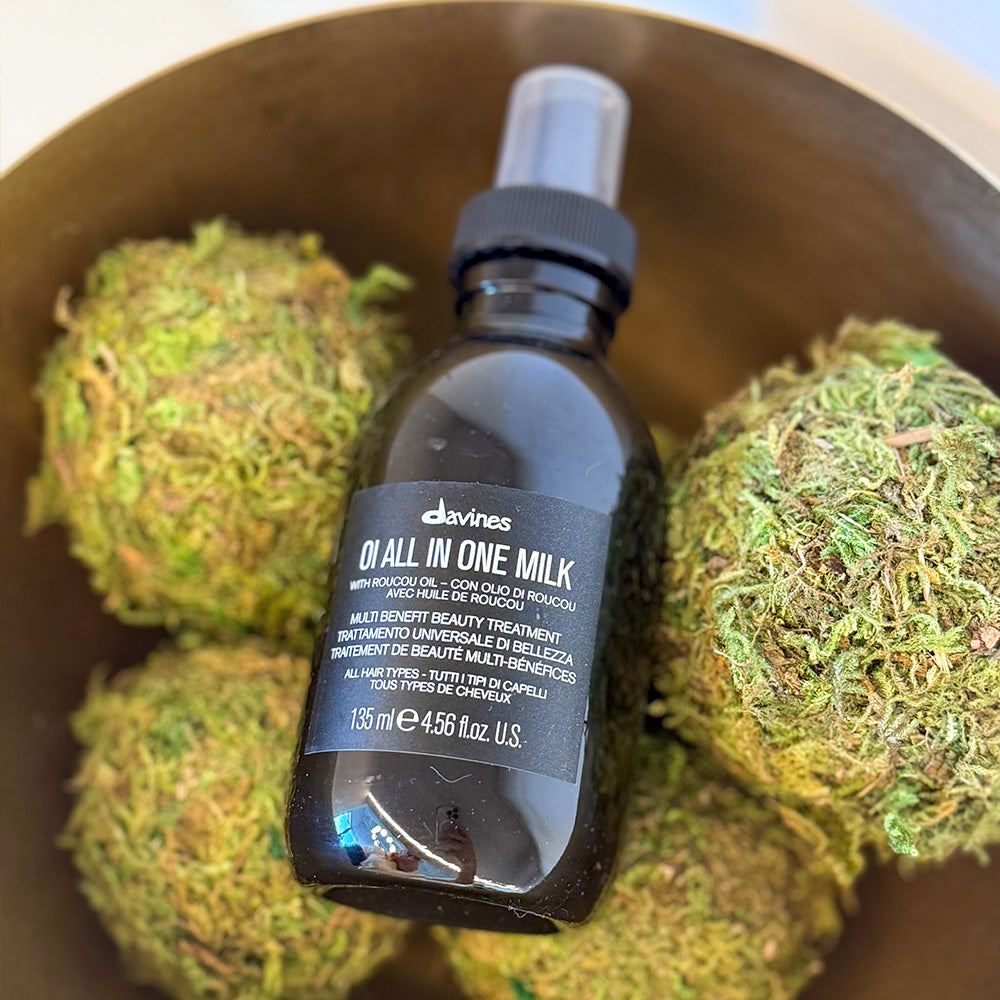
Image from lahhsalon.com.
Jojoba and Avocado Oil in the Love Smoothing Conditioner
For anyone battling frizz, the Love Smoothing Conditioner relies on jojoba and avocado oil to help tame flyaways and add smoothness. Both oils are known for their moisturizing properties, which explains why they show up frequently in formulas designed to control texture.
Antioxidant-Rich Phytoceuticals Like Plum for Scalp Health
Davines incorporates phytoceuticals, plant-based compounds packed with antioxidants, into many of its formulas. Plum is one example that shows up in Davines products, valued for its ability to support a healthy scalp environment.
Scalp health often gets overlooked in favor of focusing purely on hair strands, but a compromised scalp can lead to everything from dandruff to slower hair growth. Ingredients like plum extract address that root-level concern rather than just treating surface symptoms.
Clean Beauty: What Davines Leaves Out of Every Bottle
Knowing what a brand avoids can be just as telling as knowing what it includes. Davines products are formulated without sulfates, parabens, silicones, artificial colors, or synthetic fragrances, a combination that puts the brand firmly in clean beauty territory.
Why Sulfates Like SLS and SLES Damage Your Hair
Sodium lauryl sulfate and sodium laureth sulfate are common foaming agents found in many mainstream shampoos, but they come with a cost. These sulfates can strip hair of its natural oils, leading to dryness, frizz, and increased breakage over time.
Davines skips these ingredients entirely, opting instead for gentler cleansing agents that remove dirt and buildup without stripping hair of the oils it needs to stay healthy.
The Hidden Risks of Parabens
Parabens function as preservatives in cosmetic products, extending shelf life and preventing bacterial growth. But research has linked parabens to hormone disruption, and these compounds have even been detected in breast cancer tumors.
Given these concerns, Davines formulates its products without parabens, relying on alternative preservation methods that don’t carry the same red flags.
How Silicones Trap Moisture Out, Not In
Silicones create a smooth, glossy coating on hair, which is why they’re popular in conventional styling products. The problem is that this coating also creates a barrier on the hair shaft that prevents moisture from penetrating, leading to dryness and product buildup over time. For those interested in alternatives, Davines products are recognized for their focus on clean beauty.
Davines avoids silicones for this reason, choosing ingredients that support hair health from the inside out rather than masking damage with a temporary shine.
Top Davines Products for an Eco-Conscious Routine
With a clear sense of what Davines avoids and prioritizes, it’s worth looking at specific products that put these values into practice. Several stand out as go-to options for anyone building a more sustainable haircare routine.
Each product below reflects the same commitment to clean formulation and environmental responsibility that defines the brand as a whole. Whether you’re dealing with fine hair, curls, or color-treated strands, there’s a formula designed with your specific needs in mind.

Image from world.davines.com.
Here’s a breakdown of some of the most popular options and what they’re formulated to do:
Wellbeing Shampoo for Gentle, Structure-Safe Cleansing
The Wellbeing Shampoo, priced at $40.00 for 250 ml, is designed as a moisturizing formula suitable for all hair types. It’s built to cleanse without disrupting the hair’s natural structure, making it a solid everyday option for people who want gentle care without sacrificing performance.
OI Shampoo and Conditioner for Every Hair Type
- Formulated for all hair types, delivering softness and shine with regular use
- Contains roucou oil to help protect against environmental damage and free radicals
- Works as a duo, with the shampoo cleansing gently and the conditioner locking in moisture
- Free from sulfates, parabens, and silicones, keeping the formula aligned with clean beauty standards
This pairing has become one of Davines’ most recognized product lines, largely because it delivers noticeable results without relying on the harsh ingredients found in many mainstream competitors.
Customers frequently mention how much softer and more manageable their hair feels after switching to the OI line, particularly those dealing with dryness or dullness from previous product buildup.
For anyone easing into a cleaner haircare routine, this duo offers an accessible starting point that doesn’t require sacrificing the shine and softness people expect from salon-quality products.
Love Curl Line for Defined, Hydrated Curls
Curly hair has different needs than straight or wavy textures, and Davines addresses that with its Love Curl line. This collection is specifically formulated to define curls while keeping them hydrated, addressing the frizz and dryness that often plague curly hair types.
Styling Essentials: Sprays, Gels, and Hair Refresher Dry Shampoo
Beyond shampoos and conditioners, Davines offers a full range of styling products including hair sprays, gels, and heat protectants. The Hair Refresher Dry Shampoo gives users a quick refresh between washes, while the Liquid Spell Treatment enhances hair elasticity and shine for those seeking extra polish.
These styling products follow the same clean formulation standards as the rest of the Davines lineup, which means you’re not trading environmental responsibility for styling versatility.
Packaging That Puts the Planet First
Product formulas are only part of the sustainability equation. What that product comes packaged in matters just as much, and Davines has invested heavily in rethinking how its bottles, tubes, and containers get made.
The company’s packaging strategy focuses on reducing raw material use, lowering carbon emissions during production, and using lightweight, recycled materials wherever possible.
Recyclable and Bio-Based Materials in Every Design
Davines packaging is made from recycled materials and designed specifically to minimize waste throughout its lifecycle. This isn’t limited to a single product line, it’s a standard applied across the brand’s broader packaging strategy.
Bio-based materials also play a role, offering an alternative to traditional plastic that reduces reliance on petroleum-based production methods. Combined with the brand’s carbon-neutral Zero Impact® packaging policy, these choices add up to a packaging system built around minimizing environmental footprint at every stage.
Refillable Options to Cut Down on Waste
For customers who want to go a step further, Davines offers refillable options on many of its products. This directly reduces the amount of plastic entering the waste stream, since customers can reuse existing containers instead of purchasing new packaging with every repurchase.
Refill programs like this represent one of the most practical ways consumers can reduce their personal environmental impact without changing their entire routine. It’s a small shift that adds up significantly over time, especially for people who use haircare products daily.

Image from world.davines.com.
Fair Trade, Cruelty-Free, and Community-Driven Values
Sustainability isn’t just about carbon emissions and recyclable packaging, it also extends to how a company treats the people and communities involved in its supply chain. Davines takes this seriously, building fair trade principles and community partnerships into its business model.
No Animal Testing, Ever
Davines is a cruelty-free brand that does not test its products on animals. For many eco-conscious consumers, this is a non-negotiable requirement, and Davines meets that standard without exception.
Supporting Local Communities Through EthioTrees and Slow Food Farms
Davines supports specific community-focused projects, including EthioTrees and Slow Food Farms tied to its Essential Haircare line. These initiatives connect ingredient sourcing directly to community development, ensuring that the farmers and workers involved benefit from the partnership rather than just supplying raw materials for a distant corporation.
EthioTrees, in particular, focuses on reforestation efforts in Ethiopia, tying directly back to the forest protection work Davines funds to offset its carbon-neutral packaging. It’s a good example of how the brand’s various sustainability initiatives overlap and reinforce each other rather than operating as separate, disconnected programs.
Membership in 1% for the Planet and We Sustain Beauty
Davines participates in established environmental programs including 1% for the Planet and We Sustain Beauty. Membership in these initiatives adds an external layer of accountability, since both programs require participating companies to meet specific environmental or philanthropic commitments.
Is Davines Worth the Price Tag?
Sustainability and clean formulation often come with a higher price point, and Davines is no exception. Shoppers comparing prices across the drugstore aisle will notice a gap right away, one that’s worth understanding before deciding whether the brand fits your budget.
Average Cost Compared to Mainstream Haircare Brands
The average Davines shampoo costs around $30, compared to competitors priced between $20 and $25. That price gap reflects the cost of sourcing quality, naturally-derived ingredients and maintaining the environmental standards Davines has built its reputation on.
It’s worth remembering that mainstream drugstore shampoos rarely account for carbon-neutral packaging, renewable energy use, or fair trade sourcing in their pricing. Those costs exist somewhere in the supply chain, they’re just absorbed differently, often at the expense of ingredient quality or environmental practices.
| Product | Price | Category |
|---|---|---|
| Davines Wellbeing Shampoo (250 ml) | $44.00 CAD | Premium eco-friendly |
| Average Davines Shampoo | ~$30 USD | Premium eco-friendly |
| Typical Mainstream Shampoo | $20-$25 USD | Conventional |
For budget-conscious shoppers, this price difference can be a real consideration. But many customers view the investment as worthwhile given the performance and values behind each product, especially when factoring in refillable packaging that can offset costs over time.
What Customers and Stylists Are Saying
Feedback from actual users tends to back up the price premium. One customer noted, “This is my second time ordering this product. Good stuff, and I will order it again!” Another shared, “My hair is so soft after this magic mask! Love it!”
Hair care professionals also recommend Davines products for their performance and quality, with many stylists specifically pointing to how well the formulas maintain color-treated hair. That combination of professional endorsement and genuine customer satisfaction suggests the price reflects real value rather than just brand markup.
Why Choosing Davines Is a Vote for a Healthier Planet
Every bottle of Davines you choose supports renewable energy use, carbon-neutral packaging, ethical ingredient sourcing, and community-driven environmental projects spanning four continents. That’s a lot of impact packed into a daily haircare routine, and it’s the kind of choice that adds up when multiplied across millions of customers worldwide.
Choosing a brand built around genuine sustainability practices is one of the simplest ways to align everyday habits with bigger environmental values.

Image from natalieyerger.com.
Frequently Asked Questions
Is Davines Really a Sustainable Brand?
Yes. Davines has used renewable electric energy since 2006, maintains a Zero Impact® carbon-neutral packaging policy on several product lines, and supports forest protection projects in Italy, Costa Rica, Ethiopia, and Madagascar.
Are Davines Products Safe for Color-Treated Hair?
Many stylists recommend Davines specifically for color-treated hair, noting that the sulfate-free, silicone-free formulas help maintain color vibrancy without stripping or damaging treated strands.
What Does “Clean Beauty” Mean for Davines Formulas?
For Davines, clean beauty means formulating without sulfates, parabens, silicones, artificial colors, and synthetic fragrances, while prioritizing naturally-derived and biodegradable ingredients wherever possible. Learn more about how Davines products emphasize clean beauty and eco-friendly practices.
Does Davines Test on Animals?
No. Davines is a certified cruelty-free brand and does not test any of its products on animals.
Can I Recycle or Refill Davines Packaging?
Davines packaging is made from recycled and bio-based materials, and many products offer refillable options to help reduce plastic waste over time.
Combined with the brand’s Zero Impact® carbon-neutral policy, these packaging choices give customers a practical, low-effort way to reduce their environmental footprint simply by sticking with their existing haircare routine.
If you’re ready to see how these sustainability practices translate into your own haircare routine, Davines offers a full lineup of clean, planet-conscious products worth exploring.
Featured Image from bombshell-hair.com and used with no modifications.
This post contains affiliate links. If you make a purchase through a link in one of our posts or pages, we may receive a small commission – at no additional cost to you. This helps us to cover the costs involved in bringing you valuable sustainable living information on an ongoing basis. We appreciate your support!

Related Posts
-
 Upcycled Food – Sustainability Trend or Hype?
-
 Beeswax Wraps Versus Plastic Wrap: A Comparative Guide for Food Storage
-
 30-Day Mason Jar Waste Challenge: Transform Your Perspective on Waste
-
 Easy Zero-Waste Tutorial: How to Make DIY Organic Cotton Produce Bags
-
 Eco-Friendly Solid Shampoo Bars: Ethique vs. Lush Comparison Guide
-
 Travel-Friendly Tips: Taking Briogeo’s Eco-Friendly Haircare On Your Travels
